
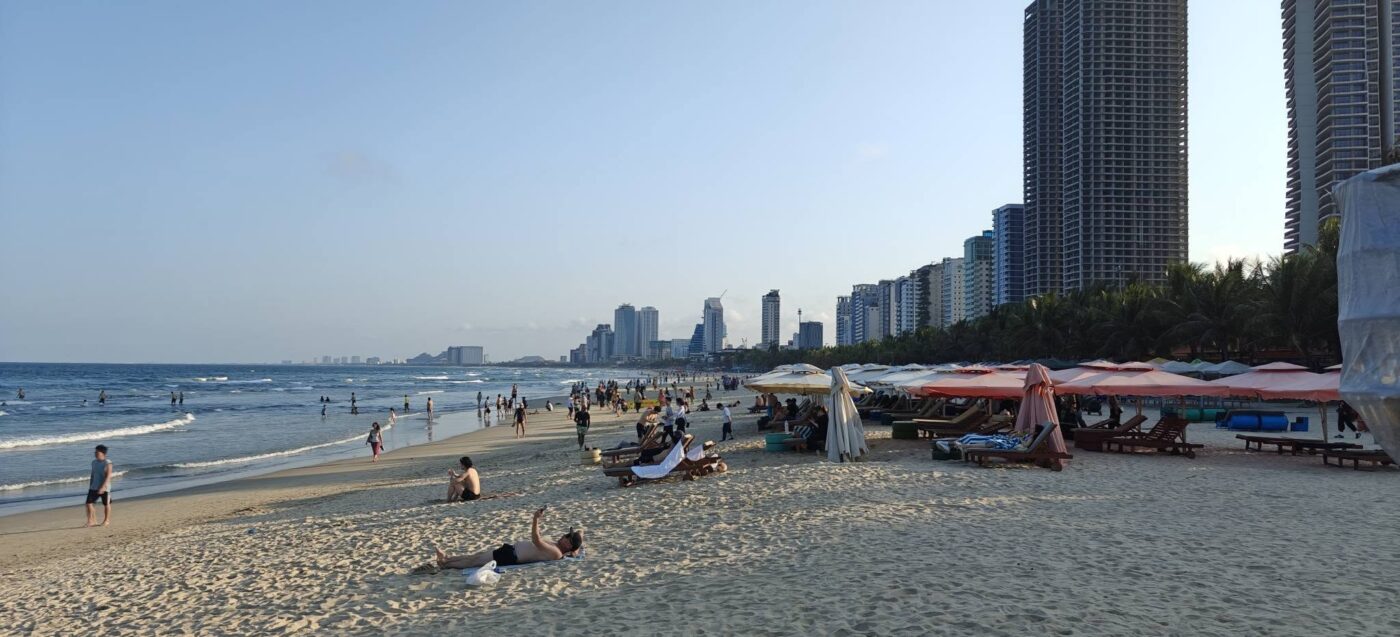
25 Must-Try Phu Quoc Food & Seafood Delights in 2026: Ultimate Guide
Welcome to the ultimate guide to Phu Quoc’s exceptional culinary scene! Whether you’re planning a gastronomic adventure or simply curious about Vietnam’s island paradise, this comprehensive exploration of Phu Quoc’s food scene will tantalize your taste buds and inspire your next vacation. From bustling night markets to serene beachfront dining spots, discover the island’s most extraordinary flavors and where to find them in 2026
Phu Quoc: Vietnam’s Culinary Island Paradise in 2026
Phu Quoc Island has transformed dramatically in recent years, evolving from a modest fishing community into Vietnam’s premier culinary destination. Nestled in the Gulf of Thailand, this 574-square-kilometer island boasts not only pristine beaches and luxury resorts but also an incredibly diverse food scene that captures the essence of Vietnamese coastal cuisine while embracing international influences.
In 2026, Phu Quoc stands at the culinary crossroads of tradition and innovation. The island’s natural bounty—particularly its world-famous fish sauce, black pepper, and incredibly fresh seafood—provides the foundation for both time-honored recipes and creative new dishes that are captivating visitors from around the globe.
For travelers exploring Vietnam, Phu Quoc offers a unique opportunity to experience exceptional food within a tropical paradise setting. The island perfectly complements other regional destinations, such as the cultural attractions of Central Vietnam, where ancient temples and historic sites provide a different but equally compelling Vietnamese experience.
Why Phu Quoc Is a Rising Culinary Destination in 2026
Phu Quoc has undergone a remarkable culinary evolution, transforming from a quiet fishing island into one of Southeast Asia’s most vibrant food destinations by 2025. This transformation reflects both preservation of tradition and embrace of innovation, creating a unique gastronomic landscape that attracts food enthusiasts worldwide.
Preservation of Culinary Heritage
The island maintains strong connections to its fishing village roots, particularly evident in markets like Duong Dong and Ham Ninh, which remain vibrant centers of the local seafood trade. Here, fishermen bring their daily catches directly to vendors, maintaining the island’s tradition of ultra-fresh seafood availability. According to the Phu Quoc Tourism Board, over 75% of seafood consumed on the island is caught within 20km of its shores, ensuring exceptional freshness.
Award-Winning Local Products
Phu Quoc’s culinary reputation continues to be anchored by its world-renowned products:
- Phu Quoc Fish Sauce: Recognized with Protected Designation of Origin status by the EU in 2013, this intensely flavorful condiment continues to be produced using traditional wooden barrels across more than 100 small-batch production facilities on the island. The 36-month aged premium varieties have gained international acclaim, now featured in Michelin-starred restaurants worldwide.
- Phu Quoc Black Pepper: Cultivated on approximately 320 hectares of the island’s central highlands, this distinctive pepper has become a staple in high-end kitchens globally. Its unique terroir produces berries with exceptional aromatic qualities and heat profiles not found elsewhere.
- Pearl Farming: Beyond seafood, the island’s pearl farms have influenced local gastronomy, with pearl-infused dishes and aesthetically inspired plating becoming signatures at luxury establishments.
Culinary Tourism Evolution
By 2025, Phu Quoc has responded to changing travel trends with sophisticated food experiences:
- Immersive Food Tours: Specialized tours now offer behind-the-scenes access to fish sauce production facilities, pepper farms, and fishing villages, with hands-on experiences and tasting opportunities.
- Luxury Beachfront Dining: Following the island’s development as a luxury destination, elevated seafood dining experiences have emerged along its coastline, offering sunset views paired with sophisticated cuisine.
- Culinary Festivals: The annual Phu Quoc Food Festival, launched in 2022, has grown into a major regional event attracting over 45,000 visitors in 2024, featuring chef collaborations between local culinary experts and international talents.
Technology-Enabled Food Experiences
The island has embraced technological innovations that enhance the dining experience:
- Traceability QR Codes: Many high-end restaurants now provide QR codes that allow diners to trace the journey of their seafood from catch to plate.
- Augmented Reality Menus: Several establishments have introduced AR menu experiences that visually showcase dish preparation methods and ingredient sources.
- Sustainability Tracking: A growing number of restaurants participate in the island-wide sustainability initiative, displaying carbon footprint information and responsible sourcing certifications.
According to visitor data from the Phu Quoc Tourism Authority, 78% of tourists in 2024 cited food experiences as a primary motivation for visiting the island—a 23% increase from 2022 figures. This trend is expected to strengthen in 2025-2026 as the island continues to develop its unique culinary identity while maintaining connections to authentic Vietnamese food traditions.
Top 25 Phu Quoc Food & Seafood Dishes You Must Try in 2026
1. Grilled Sea Urchin (Nhum Biển Nướng Mỡ Hành)
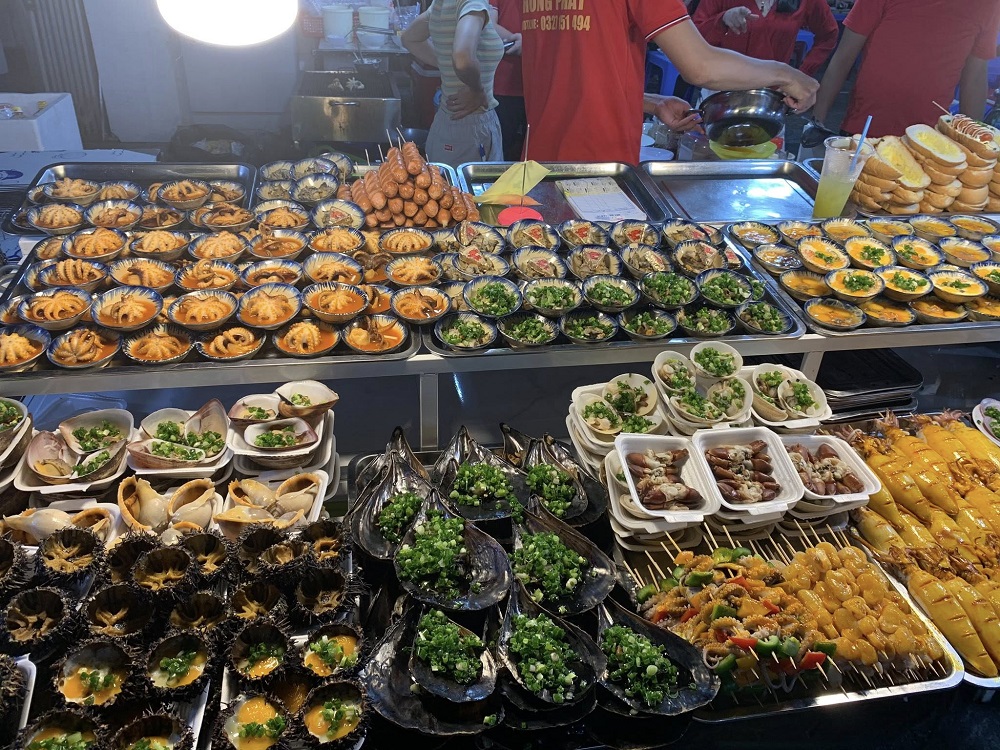
A taste of the ocean’s essence awaits with this delectable Phu Quoc specialty. Sea urchins, harvested from the surrounding waters, are carefully cleaned and grilled in their shells with a fragrant mixture of scallion oil, crushed peanuts, and a hint of lime. The result is a creamy, sweet flesh with complex umami notes that perfectly captures the island’s maritime bounty.
Where to find it: Dinh Cau Night Market remains the premier location, where vendors at stalls 15-18 specialize in this delicacy. They source their urchins directly from divers operating near An Thoi archipelago, ensuring optimal freshness. Prices range from 85,000-120,000 VND per urchin, depending on size and season.
Pro tip: Visit between December and February when sea urchins reach their peak flavor profile with the highest roe content.
2. Ham Ninh Flower Crab (Ghẹ Hàm Ninh)
The iconic Ham Ninh flower crab stands as a testament to Phu Quoc’s exceptional seafood quality. These medium-sized crustaceans, distinguished by their vibrant patterns and sweet meat, are harvested daily from the shallow waters of Ham Ninh village on the eastern coast. Unlike many seafood dishes that rely on complex seasonings, these crabs are typically steamed whole to preserve their natural sweetness and served with a simple dipping sauce of freshly ground black pepper, sea salt, and lime juice.
Where to find it: Kim Cuong Crab Restaurant in Ham Ninh Fishing Village prepares this dish with generations of expertise. Their family has been serving crabs for over 35 years, maintaining relationships with specific fishermen who use sustainable trapping methods. A medium-sized crab costs approximately 350,000-450,000 VND.
Local insight: The crabs caught between 4-6 AM and served for lunch offer the most intense flavor, as confirmed by numerous culinary experts who have visited the island.
3. Phu Quoc Herring Salad (Gỏi Cá Trích)
Experience a symphony of textures and flavors with this traditional island salad. Fresh herring fillets are briefly cured in lime juice before being tossed with young coconut slivers, Vietnamese coriander, mint, basil, and bird’s eye chilies. The dish is completed with a drizzle of the island’s famous fish sauce and a sprinkling of roasted peanuts and fried shallots.
Where to find it: Trung Dung Restaurant (located at 38 Tran Hung Dao Street) has perfected this recipe over 25 years. Their version includes a secret family dressing that balances sweetness and acidity perfectly. Alternatively, Ra Khoi restaurant offers a contemporary interpretation that incorporates local starfruit for added brightness. Expect to pay 120,000-180,000 VND for a portion serving 2-3 people.
Chef’s recommendation: Pair this dish with cold local beer for the perfect flavor combination.
4. Grilled Octopus with Satay (Mực Nướng Sa Tế)
Tender yet satisfyingly chewy octopus tentacles provide the perfect canvas for Phu Quoc’s distinctive satay marinade. Local fishermen catch these cephalopods using traditional pot trapping methods, ensuring sustainable harvesting. The octopus is pounded lightly to tenderize, then marinated in a paste of lemongrass, garlic, shallots, chili, and the island’s distinctive black pepper before being grilled over charcoal flames.
Where to find it: Bach Dang Street is home to several exceptional seafood eateries specializing in this dish. Hai Lua Restaurant (at Bach Dang Street #23) stands out for their consistency, with the chef personally selecting octopus weighing between 0.8-1.2kg—the optimal size for perfect texture. A full portion costs around 220,000-280,000 VND.
Dining tip: Request the tentacles rather than the head for the best texture and flavor experience.
5. Fish Sauce-Infused Hot Pot (Lẩu Thái Chấm Mắm Nêm)
The aromatic steam rising from this communal hot pot carries the essence of Phu Quoc’s culinary identity. This dish features a complex broth infused with the island’s premium fish sauce, lemongrass, galangal, and kaffir lime leaves. The soup base is complemented by a medley of fresh seafood—typically including squid, prawns, flower crabs, and locally caught white fish—alongside morning glory, banana blossoms, and glass noodles.
Where to find it: Paradiso Restaurant (located near Long Beach) serves an exceptional version in a traditional clay pot over charcoal. Their special touch includes a 24-month aged fish sauce that adds remarkable depth to the broth. A pot serving 3-4 people ranges from 450,000-650,000 VND depending on the seafood selection.
Cultural note: This dish exemplifies the Vietnamese tradition of communal dining, bringing friends and family together around a shared meal experience.
6. Sea Cucumber Soup (Súp Hải Sâm)
Luxuriate in the rare delicacy of sea cucumber soup, a dish that highlights both culinary skill and nutritional richness. Sea cucumbers, harvested from the deeper waters surrounding Phu Quoc, undergo a meticulous three-day preparation process involving repeated cleaning, blanching, and simmering. The resulting soup features the gelatinous texture of the sea cucumber enhanced by chicken stock, mushrooms, quail eggs, and fragrant herbs.
Where to find it: The Pepper Tree Restaurant at La Veranda Resort offers the island’s most refined version, prepared by chefs trained in both Vietnamese and French culinary traditions. Their preparation includes a 36-hour slow-cooked stock and locally foraged mushrooms. This premium dish is priced at approximately 380,000 VND per serving.
Health perspective: Long valued in traditional Vietnamese medicine for promoting skin health and longevity, sea cucumber contains high levels of collagen and essential minerals.
7. Raw Salmon Rolled with Herbs (Cá Hồi Cuốn Rau Rừng)
Innovation meets tradition in this elegant fusion creation that showcases Phu Quoc’s evolving culinary landscape. Premium Norwegian salmon, flash-frozen to sashimi grade, is thinly sliced and wrapped around a bundle of foraged wild herbs unique to the island, including Vietnamese coriander, fish mint, and the rare mountain pepper leaf. A light dressing of yuzu, Phu Quoc fish sauce, and local honey brings the components together.
Where to find it: INK 360 Bar at the InterContinental Phu Quoc serves this as part of their sunset menu, with each roll artfully presented on dark stone plates with edible flowers. Expect to pay 320,000 VND for a five-piece serving.
Expert insight: Chef Tran Minh Dung, creator of this dish, spends three mornings weekly foraging for the precise herbs that complement the fatty richness of the salmon.
8. Scallops Grilled with Garlic Butter (Sò Điệp Nướng Bơ Tỏi)
Succulent local scallops transform into buttery morsels when prepared in this simple yet irresistible manner. The dish showcases bay scallops harvested from the waters near An Thoi Islands, grilled in their half-shells with a generous topping of garlic-infused butter, breadcrumbs, and the island’s black pepper. The high heat creates a golden crust while maintaining the scallop’s tender center.
Where to find it: Rory’s Beach Bar along Long Beach presents an exceptional version, grilling over coconut husks for a subtle smoky flavor. Their open kitchen allows guests to watch the preparation process while enjoying sunset views. A plate of 6-8 scallops costs approximately 260,000 VND.
Quality indicator: The best establishments serve scallops with bright orange roe still attached, indicating freshness and proper sourcing.
9. Vietnamese Pancakes with Shrimp (Bánh Xèo Tôm Phú Quốc)
Crispy-edged and golden, these savory pancakes represent a Phu Quoc interpretation of a Vietnamese classic. Made with rice flour, coconut milk, and turmeric, the batter is spread thin in a hot pan and filled with local tiger shrimp, bean sprouts, and green onions. The pancakes are served with a basket of fresh herbs and lettuce for wrapping, alongside a distinctive dipping sauce featuring the island’s premium fish sauce.
Where to find it: Madame Xèo Restaurant (located at 121 Tran Hung Dao Street) specializes exclusively in this dish, offering 12 different variations. Their signature Phu Quoc version features shrimp caught daily from Duong Dong waters. A full-sized pancake costs 85,000-120,000 VND.
Eating technique: Locals teach visitors to wrap a piece of pancake with herbs in a lettuce leaf before dipping—this balanced approach delivers the full flavor spectrum in each bite.
10. Coconut Worms (Đuông Dừa)
For the truly adventurous food explorer, coconut worms offer a unique culinary experience that connects to ancient Vietnamese food traditions. These larvae, which naturally occur in fermented coconut palms, are considered a delicacy in southern Vietnam. On Phu Quoc, they’re typically served live with a dipping sauce of fish sauce, lime, and chili, or lightly sautéed with garlic and butter for those seeking a less intimidating introduction.
Where to find it: Yen’s Restaurant in Duong Dong specializes in this delicacy, sourcing their worms from dedicated farms that grow coconut palms specifically for this purpose. A serving of 5-7 worms costs approximately 280,000 VND.
Cultural context: While controversial from a Western perspective, this dish represents Vietnam’s sustainable approach to protein sources and the cultural value placed on unique textural experiences in Southeast Asian cuisine.
11. Sweet Steamed Clams (Ngao Hấp Xả)
Delicate bivalves shine in this aromatic preparation that highlights the purity of Phu Quoc’s coastal waters. Local clams are carefully purged in salted water before being steamed with lemongrass, Vietnamese basil, bird’s eye chilies, and a splash of local rice wine. The resulting broth, infused with the natural sweetness of the clams, becomes almost as prized as the clams themselves.
Where to find it: Small eateries in Ganh Dau Village, particularly Quán Ăn Biển Xanh (Green Sea Eatery), serve exemplary versions of this dish. Their location near the clam beds ensures exceptional freshness, with most clams harvested just hours before serving. A generous portion costs approximately 120,000-150,000 VND.
Seasonal note: The clams reach their peak sweetness during the dry season months of November through March, when water salinity is optimally balanced.
12. Fried Squid with Tamarind Sauce (Mực Chiên Nước Me)
Perfectly crisp squid morsels coated in a tangy glaze make this dish irresistible to seafood lovers. Local squid are scored in a crosshatch pattern, lightly coated in tapioca flour, and flash-fried to achieve a delicate crunch without toughness. The distinctive sauce combines fresh tamarind pulp, palm sugar, fish sauce, and a hint of the island’s black pepper for a sweet-sour-spicy balance that exemplifies Vietnamese flavor principles.
Where to find it: Vuon Tao Restaurant (Garden of Apples) near Ong Lang Beach has refined this recipe over three generations. Their version includes a secret blend of five spices in the batter and homemade tamarind paste from trees grown on their property. A full portion costs approximately 180,000-220,000 VND.
Chef’s technique: The best versions maintain the squid’s tenderness through precise temperature control and never reusing frying oil.
13. Sea Snails in Coconut Curry (Ốc Len Xào Dừa)
Immerse yourself in the tropical flavors of this distinctively southern Vietnamese dish. Small sea snails, abundant in the shallow waters around Phu Quoc, are simmered in a rich coconut milk curry infused with lemongrass, galangal, and local turmeric. The slow cooking process allows the snails to absorb the fragrant sauce while remaining tender. The dish is finished with Vietnamese coriander and served with crusty bánh mì for sauce-sopping.
Where to find it: Ốc Len Restaurant in Duong Dong specializes in various snail preparations but their coconut curry version stands out for its balance and depth. The restaurant sources from sustainable snail collectors who hand-gather from specific areas to prevent overharvesting. A medium-sized pot costs around 150,000-200,000 VND.
Dining technique: Small wooden picks or specialized two-pronged forks are provided for extracting the flavorful meat from the shells—a satisfyingly interactive dining experience.
14. Tuna Collar Grilled in Banana Leaves (Cá Ngừ Nướng Lá Chuối)
Experience the prized “fisherman’s cut” in this dish that transforms the often-discarded collar section into a culinary highlight. The collar of locally caught yellowfin tuna, prized for its rich fat content and flavor, is marinated in a paste of garlic, shallots, fish sauce, and Phu Quoc black pepper before being wrapped in banana leaves and grilled over charcoal. The banana leaf package seals in moisture while imparting a subtle herbal fragrance.
Where to find it: Bụi Biển (Beach Bush) Restaurant on Ong Lang Beach specializes in this traditional preparation. Their collars come from sustainably caught tuna, with each piece weighing approximately 300-400g. The dish is priced at 240,000-300,000 VND depending on size.
Chef insight: The collar section contains meat that requires skilled preparation but rewards diners with exceptionally rich flavor and varied textures in a single cut.
15. Phu Quoc Pepper Crab (Cua Rang Tiêu)
The marriage of two iconic Phu Quoc ingredients creates a dish greater than the sum of its parts. Mud crabs weighing 400-600g each are stir-fried in a wok with abundant fresh green peppercorns harvested from the island’s central highlands, along with garlic, shallots, and a touch of caramel for color and complexity. The pepper’s aromatic heat perfectly complements the sweet crabmeat, while the viscous sauce clings to each piece.
Where to find it: Goc Tiêu (Pepper Corner) Restaurant near Duong Dong Market specializes in pepper-forward dishes. Their version incorporates three different preparations of pepper—fresh green peppercorns, dried black peppercorns, and ground white pepper—for layered complexity. Market price averages 650,000-850,000 VND per kilogram of crab.
Flavor note: Unlike mainland versions, authentic Phu Quoc pepper crab uses the distinctively floral local pepper that benefits from the island’s unique growing conditions.
16. Seafood Skewers (Hải Sản Xiên Nướng)
Street food at its most vibrant and accessible, these seafood skewers represent the democratic side of Phu Quoc’s food scene. Bamboo sticks threaded with an assortment of local seafood—typically tiger prawns, squid rings, baby octopus, and firm white fish chunks—are brushed with scallion oil and grilled over charcoal braziers. The simple seasoning of salt, pepper, and lime allows the natural flavors of the ultra-fresh seafood to shine.
Where to find it: The northern section of Dinh Cau Night Market features a row of vendors specializing in grilled seafood, with Mai Phuong’s stall (identifiable by its yellow signage) being particularly renowned. Each skewer costs between 30,000-60,000 VND depending on the seafood type.
Freshness indicator: The best vendors display their uncooked seafood on ice, allowing customers to select specific pieces before grilling begins.
17. Grilled Grouper (Cá Mú Nướng Muối Ớt)
Witness whole-fish preparation at its finest with this dish that honors the premium status of grouper in Vietnamese seafood hierarchy. A medium-sized grouper (typically 1-1.5kg) is scaled and gutted while keeping the head and tail intact, then marinated with a paste of sea salt, chilies, garlic, and lemongrass. The fish is grilled whole over longan wood charcoal, creating a crispy skin while maintaining the moisture of the delicate flesh.
Where to find it: Nhà Hàng Biển Xanh (Blue Sea Restaurant) on Bai Truong beach specializes in whole fish preparations. They maintain live tanks and select fish to order, guaranteeing optimal freshness. The dish is priced according to weight, averaging 650,000-900,000 VND for a fish serving 2-4 people.
Culinary tradition: The presentation with head and tail intact symbolizes completeness and good fortune in Vietnamese dining culture.
18. Bánh Canh Noodle Soup with Crab (Bánh Canh Cua)
Find comfort in this hearty noodle dish that showcases Phu Quoc’s reverence for both seafood and noodle culture. Thick, chewy tapioca-rice flour noodles (bánh canh) swim in a rich broth made from slow-simmered pork and crab shells, giving it a distinctive orange hue. The soup is topped with generous portions of picked crabmeat, sliced pork, Vietnamese coriander, and crispy shallots. A squeeze of lime and fresh chili completes this satisfying bowl.
Where to find it: Quán Chị Hồng near the Duong Dong Market has specialized in this dish for over 20 years. Their version includes handmade noodles with a uniquely silky texture and broth simmered for a minimum of 8 hours. A full-sized bowl costs approximately 80,000-120,000 VND.
Local eating habits: This substantial dish is popular for late breakfast or early lunch among island residents, particularly fishermen returning from overnight expeditions.
19. Phu Quoc Seafood Pizza
Experience cultural fusion in its most delicious form with this creative adaptation that marries Italian technique with Vietnamese ingredients. A thin, crispy crust serves as the foundation for toppings that showcase the island’s bounty: tiger prawns, squid, local clams, and fresh fish, enhanced with Phu Quoc fish sauce in the tomato base and finished with Vietnamese herbs instead of traditional oregano.
Where to find it: Itaca Resto Lounge, operated by an Italian-Vietnamese couple, has perfected this cross-cultural creation. Their wood-fired oven creates the authentic charred crust essential to great pizza, while their seafood is sourced through direct relationships with local fishing families. A medium pizza costs approximately 280,000-350,000 VND.
Culinary innovation: This dish represents the evolution of Phu Quoc’s food scene, embracing international techniques while maintaining a strong connection to local ingredients and flavors.
20. Raw Tuna with Passionfruit Sauce
Delight in the contemporary side of Phu Quoc cuisine with this elegant dish that showcases the island’s growing sophistication. Sashimi-grade yellowfin tuna, caught using sustainable line methods by the An Thoi fishing fleet, is sliced into precise rectangles and briefly marinated in Phu Quoc fish sauce and lime. Each piece is topped with a sauce made from local passionfruit, ginger, honey, and a hint of chili, creating a perfect balance of richness, acidity, and subtle heat.
Where to find it: Mango Bay Resort’s On The Rocks Restaurant created this signature dish, which is now imitated across the island. Their executive chef perfected the recipe after experimenting with various fruit acids to “cook” the tuna surface while maintaining its raw interior. A full portion costs approximately 260,000-320,000 VND.
Wine pairing: Local sommeliers recommend Vietnamese Dalat white wine or New Zealand Sauvignon Blanc to complement this dish’s complex flavor profile.
21. Fresh Oysters with Wasabi and Lime
Savor the pure essence of the sea with this minimalist preparation that lets quality ingredients speak for themselves. Long Beach and Bai Sao are home to several oyster farms that have developed over the past decade, producing medium-sized Pacific oysters with sweet, cucumber-like notes. These are served simply on ice with a traditional dressing of lime juice, wasabi, and fish sauce on the side, allowing diners to adjust flavors to their preference.
Where to find it: Winston’s Beach Bar on Long Beach offers a daily selection of locally farmed oysters, with varieties changing based on availability and optimal ripeness. Their knowledgeable staff can explain the subtle differences between oysters from different parts of the island. Prices range from 35,000-50,000 VND per oyster, with half-dozen and dozen platters available.
Quality guarantee: The best establishments maintain strict cold chains and use the finger-tap test to ensure oysters are alive just before shucking.
22. Grilled Mantis Shrimp (Tôm Tích Nướng)
Discover the “lobster of shrimp” in this dish featuring one of the ocean’s most interesting creatures. Mantis shrimp, named for their powerful claws and distinctive appearance, are caught in traps around Phu Quoc’s northern waters. Unlike other crustaceans, their meat has a unique texture that combines the sweetness of crab with the firmness of lobster. They’re typically split lengthwise and grilled with nothing more than salt, pepper, and a brush of scallion oil to highlight their natural flavor.
Where to find it: Ham Ninh fishing village’s waterfront restaurants specialize in this delicacy, with Quán Bờ Biển (Shoreline Eatery) being particularly noted for their perfectly timed cooking. A serving of 3-4 mantis shrimp costs approximately 300,000-400,000 VND depending on size.
Eating technique: Special narrow forks are provided to extract the sweet meat from the shell segments—well worth the effort for this uncommon delicacy.
23. Lobster Thermidor (Tôm Hùm Đút Lò)
Indulge in the height of Phu Quoc’s fine dining scene with this French-Vietnamese fusion creation. Local spiny lobsters, weighing approximately 600-800g each, are steamed before their meat is removed, chopped, and mixed with a decadent sauce of reduced cream, Dijon mustard, Parmesan cheese, and cognac. The mixture is returned to the half-shell and gratinéed until golden. The dish represents the colonial influence on Vietnamese cuisine while showcasing the island’s premium seafood.
Where to find it: La Mouette Restaurant at Salinda Resort offers the island’s most refined version, prepared by chefs trained in classical French techniques. Their adaptation includes local ingredients like Phu Quoc black pepper and Vietnamese herbs in the sauce. Market price averages 1,200,000-1,600,000 VND per lobster.
Sustainability note: The best establishments source lobsters from trap fishermen who practice sustainable harvesting methods, avoiding egg-bearing females and undersized specimens.
24. Fish Cake Noodle Soup (Bún Cá Chả)
Begin your day like a local with this breakfast staple that showcases Phu Quoc’s everyday food culture. Rice noodles are served in a light, clear broth flavored with fish sauce, pineapple, and tomato, creating a subtle sweet-sour profile. The soup is topped with chunks of fried fish cake made from local mackerel or tuna, along with fresh herbs, bean sprouts, and banana blossoms for textural contrast.
Where to find it: The unnamed stall at the corner of Nguyen Trung Truc and Bach Dang streets (identifiable by its red plastic stools) serves what many locals consider the definitive version. The elderly proprietor has been making her fish cakes by hand for over 40 years, using a family recipe that includes Phu Quoc black pepper and a secret ratio of fish varieties. A bowl costs a modest 45,000-65,000 VND.
Authentic experience: This dish represents the accessible, everyday side of Phu Quoc cuisine that sustains island residents rather than catering primarily to tourists.
25. Shaken Seafood Tartar Cups
Experience the cutting edge of Phu Quoc gastronomy with these innovative small bites that have emerged on the island’s food scene by 2025. Inspired by Vietnamese cooking techniques but presented in a contemporary format, these handheld appetizers feature tartar-style preparations of different local seafood—tuna, snapper, scallops, and prawns—each seasoned distinctively and served in crispy cups made from rice paper or local fruits.
Where to find it: The newly opened Chuồn Chuồn Bistro & Sky Bar in Duong Dong town has pioneered this concept as part of their sunset tapas menu. Their tasting flight includes four different variations, each paired with a complementary small-batch rice wine or craft cocktail. A full tasting experience costs approximately 450,000 VND.
Culinary trend: This dish represents the next evolution of Phu Quoc’s food scene, where a new generation of Vietnamese chefs trained internationally return to create dishes that honor tradition while embracing modern presentation and technique.
Where to Eat the Best Seafood in Phu Quoc in 2025
Navigating Phu Quoc’s diverse dining landscape can be overwhelming with options ranging from humble street stalls to world-class resorts. This curated selection highlights establishments that deliver authentic flavors, exceptional quality, and memorable dining experiences across different price points and settings.
Authentic Local Markets
Dinh Cau Night Market stands as the beating heart of Phu Quoc’s street food scene, operating from 5 PM to midnight daily. Located near the Dinh Cau Temple in Duong Dong town, this bustling market features over 100 vendors offering everything from live seafood tanks (where you select your dinner) to ready-to-eat specialties. The market’s middle section (stalls 50-70) is widely considered to offer the best quality-to-price ratio, with seafood dishes ranging from 80,000-300,000 VND. Look for stalls with high turnover and local patronage for the freshest options.
Ham Ninh Fishing Village provides a more intimate experience with approximately 15 family-run eateries built on stilts over the water along the eastern coast. These simple restaurants specialize in the sweet flower crabs that made the village famous, but also offer excellent mantis shrimp and sea urchin when in season. Most establishments have no formal menus—pricing is by weight and displayed on boards updated daily based on the morning’s catch. A meal here offers not just excellent seafood but a glimpse into the traditional fishing community’s way of life.
Mid-Range Excellence
Xin Chào Seafood Restaurant represents the perfect middle ground between local authenticity and tourist comfort. Located on Tran Hung Dao Street with views over the Duong Dong River, this established eatery offers a comprehensive menu with English descriptions and photos while maintaining legitimately high culinary standards. Their specialty is seafood hot pot (lẩu hải sản), featuring a distinctive broth made with local herbs and premium fish sauce. With air conditioning, professional service, and prices ranging from 200,000-500,000 VND per person, it’s an excellent option for those seeking authentic flavors in a more refined setting.
Chuồn Chuồn Bistro & Sky Bar has quickly established itself as the island’s most exciting new culinary destination since opening in late 2024. This rooftop venue in central Duong Dong combines spectacular 270-degree views with innovative cuisine that bridges traditional Vietnamese flavors and contemporary presentation. Their “Evolving Phu Quoc” tasting menu showcases local ingredients in unexpected ways, with dishes like fermented fish sauce ice cream with caramelized pork being particularly conversation-worthy. Expect to pay 400,000-700,000 VND per person for a full experience including craft cocktails made with local fruits and herbs.
Luxury Beachfront Dining
Sunset Sanato Beach Club offers a sophisticated yet relaxed atmosphere on Long Beach, with dining areas set directly on the sand and an architectural design that frames the stunning sunset views. Their menu emphasizes sustainably caught seafood prepared with both Vietnamese and Mediterranean influences. The signature Seafood Tower (1,800,000 VND for two people) presents a vertical feast of local oysters, prawns, grilled fish, and lobster, accompanied by house-made condiments featuring island-grown ingredients. An extensive wine list includes several Vietnamese selections that pair surprisingly well with seafood dishes.
The Pepper Tree Restaurant at La Veranda Resort delivers the island’s most refined Vietnamese dining experience. Set in a colonial-style mansion with panoramic ocean views, this elegant establishment serves elevated versions of classic dishes using premium ingredients and sophisticated technique. Their five-course “Essence of Phu Quoc” tasting menu (950,000 VND per person, 1,350,000 VND with wine pairings) offers a comprehensive tour of the island’s culinary highlights, from aged fish sauce tastings to lobster imperial spring rolls. Reservation is essential, especially for the coveted sunset seatings at 5:30 PM.
Hidden Gems Worth Finding
Quán Ăn Nhà Làm (Homemade Eatery) represents the type of authentic establishment that doesn’t advertise or appear on most tourist maps. Located in a residential area off Nguyen Trung Truc Street (look for the blue building with fishing nets decorating the entrance), this family-run restaurant serves dishes prepared exactly as they would be in a Phu Quoc home. Their cá kho tộ (caramelized fish in clay pot) uses a recipe passed down through four generations and fish caught by the owner’s brother each morning. With only eight tables and no English menu (though picture-pointing works well), this genuine local experience offers exceptional value with most dishes between 60,000-150,000 VND.
Rory’s Beach Bar might initially seem like just another expatriate hangout, but this Australian-owned establishment has earned local respect for its commitment to quality and sustainability. Located directly on Long Beach with a casual toes-in-the-sand setting, their menu successfully fuses Western techniques with Vietnamese ingredients. The daily specials board features whatever was caught that morning, prepared simply to highlight natural flavors. Their relationships with specific fishing families ensure exceptional quality, while their strict no-styrofoam, no-plastic policy demonstrates environmental responsibility. Mid-range prices (250,000-450,000 VND per person) deliver excellent value given the beachfront location and premium ingredients.
For travelers exploring Vietnam beyond Phu Quoc, consider how a gastronomic island experience complements other regional attractions. A comprehensive Phu Quoc 4 days 3 nights tour package can be ideally paired with exploration of Vietnam’s central regions, where different culinary traditions await. The Central Vietnam tour offers a perfect contrast to Phu Quoc’s seafood-centric cuisine, introducing travelers to the distinct flavors of Hue, Da Nang, and Hoi An.
Best Times & Travel Tips for Enjoying Food in Phu Quoc
Optimal Seasons for Culinary Exploration
The dry season from November to March presents the ideal window for food-focused travel to Phu Quoc. During these months, several key factors align to create perfect culinary conditions:
- Seafood Availability: The calmer seas during this period enable fishing boats to operate more consistently, resulting in greater variety and fresher catches reaching the markets daily. According to harbor statistics, fishing landings increase by approximately 35% during these months compared to the rainy season.
- Outdoor Dining Comfort: With temperatures ranging from 25-28°C (77-82°F) and humidity levels around 70-75%, outdoor dining—whether at beachfront restaurants or night markets—becomes genuinely pleasant rather than uncomfortably hot or wet.
- Peak Harvest Times: Many of Phu Quoc’s distinctive agricultural products, including black pepper, reach harvest stage during these months, ensuring optimal freshness in local dishes.
Specific monthly highlights that culinary travelers should consider:
- December-January: Prime time for sea urchin, considered at its sweetest during these winter months.
- February: The annual Phu Quoc Food Festival typically takes place, featuring special menus and culinary events across the island.
- March: Ideal for seafood hot pot experiences as the slight cooling in evening temperatures enhances enjoyment of this communal dish.
While the rainy season (June-September) offers significantly lower prices and fewer crowds, frequent afternoon downpours can disrupt market visits and beachside dining experiences. However, serious food enthusiasts might appreciate the abundant mud crabs and distinctive mushroom varieties that only appear during these wetter months.
Strategic Dining Times
Planning your meals strategically throughout the day can significantly enhance your culinary experience:
- 5:30-7:30 AM: Visit local markets like Duong Dong Market to witness the morning seafood auctions where restaurants secure their daily supplies. This offers insight into the local food system and opportunities to enjoy authentic breakfast dishes like bún cá (fish noodle soup) alongside fishermen and market workers.
- 11:30 AM-1:00 PM: Many seafood restaurants offer significant lunchtime discounts, sometimes 20-30% lower than dinner prices for identical dishes. This is particularly true for establishments along Long Beach catering primarily to the evening resort crowd.
- 4:00-5:30 PM: Time your visit to fishing villages like Ham Ninh to coincide with the return of the day boats. Watching the catch being unloaded provides both photographic opportunities and guarantees of absolute freshness if you choose to dine at the adjacent restaurants.
- 5:00-7:00 PM: Schedule beachfront seafood dinners around sunset (approximately 6:00-6:30 PM year-round) for the most atmospheric dining experience. Establishments like Sunset Sanato Beach Club and Rory’s Beach Bar offer special sunset menus during this golden hour.
- 8:00-10:00 PM: The night markets reach their lively best after many restaurants have finished their dinner service, making this an ideal time for additional culinary exploration and street food sampling.
Immersive Food Experiences
Enhance your understanding of Phu Quoc’s food culture through participatory experiences:
- Cooking Classes: Several establishments offer hands-on instruction in Vietnamese cooking techniques, with Mango Bay Resort’s class being particularly comprehensive. Their half-day experience (650,000 VND per person) includes market tours, ingredient preparation, and cooking multiple dishes using traditional methods. Bamboo Cottages offers a more intimate class focusing specifically on seafood preparation techniques.
- Fish Sauce Factory Tours: Given the product’s central importance to the island’s culinary identity, a guided tour of traditional fish sauce production facilities provides valuable context. The Red Boat facility offers daily tours at 10:00 AM and 2:00 PM (reservation required), including sampling of various aged products.
- Pepper Farm Visits: The Phu Quoc Countryside tour includes visits to working pepper farms in the central highlands, where guests can learn about cultivation methods and the various stages of processing that create the island’s distinctive black pepper.
- Fishing Excursions: For the ultimate sea-to-table experience, half-day fishing trips with local captains can be arranged through most hotels. These typically include the opportunity to catch your own dinner, which beachside restaurants will then prepare to your specifications.
Health and Safety Considerations
Approach Phu Quoc’s bounty of seafood with informed caution:
- Raw Shellfish: While many establishments now maintain proper refrigeration chains, be selective about where you consume raw items like oysters and rare seafood. High-end resorts and dedicated seafood restaurants with visible refrigeration systems generally offer the safest options.
- Water Quality: When consuming dishes like hot pot that involve communal cooking in broth, ensure the water used is filtered or bottled rather than tap water, particularly during the rainy season when water systems can be compromised.
- Alcohol Pairings: The local rice wines (rượu) offered at many establishments vary widely in quality and alcohol content. Those made commercially with proper controls are generally safe, while homemade versions may be of unpredictable strength.
- Heat Management: Many authentic Phu Quoc dishes incorporate significant chilies. Remember that steamed rice, cucumber slices, and coconut water are traditional remedies for excessive spice heat rather than drinking water, which can intensify the burning sensation.
By timing your visit strategically and approaching the island’s culinary offerings with informed enthusiasm, you’ll maximize both enjoyment and safety during your Phu Quoc food adventure.
Local Ingredients That Power Phu Quoc Cuisine
Phu Quoc Fish Sauce (Nước Mắm)
The island’s most famous culinary export deserves its international reputation. Phu Quoc fish sauce has been granted Protected Designation of Origin status by the European Union—the first Vietnamese product to receive this prestigious recognition—certifying its unique qualities and traditional production methods.
What makes it special: Unlike industrial fish sauce produced elsewhere, authentic Phu Quoc fish sauce follows strict traditional methods:
- Single-Species Source: Uses only black anchovies (cá cơm) caught in local waters
- Traditional Wooden Barrels: Aged in 3,000-liter wooden barrels made from indigenous trees like bời lời (Litsea glutinosa)
- Extended Fermentation: Premium versions are aged for 12-36 months, developing extraordinary complexity
- High Protein Content: Contains 35-45N (grams of nitrogen per liter), significantly higher than mainland versions
According to the Phu Quoc Fish Sauce Association, the island maintains approximately 124 traditional fish sauce production houses, collectively producing over 12 million liters annually. Most facilities are family operations that have passed techniques through multiple generations.
Culinary applications: Beyond the expected role as a condiment, Phu Quoc fish sauce serves multiple functions in local cuisine:
- As a primary marinade for grilled meats and seafood
- The foundation of dipping sauces like nước chấm
- A finishing touch added to soups and broths
- An umami-rich ingredient in caramel sauces for clay pot dishes
- The base for unique island specialties like fish sauce ice cream at higher-end establishments
Tasting notes: First-time visitors are often surprised by the variation between different producers and aged versions. Premium aged fish sauce offers a complex bouquet similar to fine cheese or wine, with notes of caramel, dried fruit, and roasted meat beneath the expected salinity.
Phu Quoc Black Pepper
The second jewel in Phu Quoc’s culinary crown, this distinctive pepper variety benefits from the island’s unique growing conditions. Currently cultivated on approximately 320 hectares primarily in the central highlands around Cua Duong and Cua Can, Phu Quoc pepper has been cultivated commercially since the early 1900s.
Distinctive characteristics:
- Higher Essential Oil Content: At 3.5-4.2%, significantly higher than mainland Vietnamese or international varieties, creating more intense aromatics
- Balanced Heat Profile: Provides substantial spice that builds gradually rather than immediately overwhelming the palate
- Complex Flavor Notes: Exhibits distinctive citrus and floral qualities beneath the primary heat
- Multiple Harvest Forms: Available as green (fresh), black (dried), white (husked), and red (fully ripened) peppercorns, each with distinct culinary applications
Traditional cultivation: Most Phu Quoc pepper farms maintain traditional growing methods, including:
- Use of concrete or wooden posts rather than living trees as climbing supports
- Natural fertilization using compost and fish waste
- Manual harvesting and sun-drying
- Selective hand-sorting rather than mechanical processing
Culinary prominence: Phu Quoc pepper features prominently in local cuisine:
- As the key component in the island’s distinctive pepper-salt-lime dipping sauce
- Crushed into marinades for grilled seafood
- Used whole (green peppercorns) in stir-fries and crab dishes
- Incorporated into desserts in small quantities for complexity
- Featured in pepper-infused local spirits
The combination of Phu Quoc’s two most famous products—fish sauce and black pepper—creates the foundation for many of the island’s signature flavor profiles, demonstrating how geography and tradition shape distinctive regional cuisines.
Fresh Coconut
The ubiquitous coconut palm provides multiple ingredients central to Phu Quoc cuisine. The island’s approximately 25,000 productive coconut trees supply:
- Young Coconut Water: Served fresh as a natural beverage and used as a cooking liquid
- Coconut Cream: Extracted from mature coconuts for use in curries and desserts
- Coconut Sugar: Produced from boiled sap, adding caramel notes to traditional dishes
- Coconut Vinegar: Fermented from coconut water for use in pickling and sauces
- Young Coconut Flesh: Shaved into salads, particularly herring salad (gỏi cá trích)
- Coconut Husk: Used as a smoking material for grilled dishes
Approximately 60% of Phu Quoc’s coconut production is consumed locally rather than exported, reflecting its central importance in daily cooking and eating.
Direct-from-Fishery Seafood
The extraordinarily short supply chain between ocean and table defines Phu Quoc’s seafood cuisine. The island is home to approximately 1,700 registered fishing vessels ranging from small day boats to larger operations that may spend several days at sea.
Key distinctive factors:
- Rapid Transit Time: Most seafood served in Phu Quoc restaurants has been out of the water for less than 3-6 hours, with many beachfront establishments maintaining live tanks.
- Specific Marine Zones: Different parts of the island specialize in different species—the northeast for crabs, the southwest for deeper-water fish, and the southeast for squid and octopus.
- Traditional Fishing Methods: Many fishermen continue to use selective methods like handlining, trap fishing, and small-scale purse seining rather than industrial trawling, resulting in higher quality catch with less environmental impact.
- Seasonal Awareness: Local chefs plan menus around natural abundance cycles rather than attempting to offer the same species year-round.
According to the Phu Quoc Fishery Association, approximately 70% of all seafood caught by island-based vessels is consumed locally rather than exported, ensuring the freshest possible supply for both residents and visitors.
Indigenous Herbs and Forest Products
Beyond the widely recognized staples, Phu Quoc’s cuisine draws flavor from numerous indigenous plants that grow wild in the island’s substantial protected forests (which cover approximately 70% of the land area):
- Mountain Pepper Leaf (Lá Lốt): Distinctly different from cultivated varieties, used for wrapping grilled meats and seafood
- Fish Mint (Giấp Cá): Strong herb with distinctive flavor used in salads and cold dishes
- Vietnamese Coriander (Rau Răm): More intense than regular cilantro, essential in seafood preparations
- Wild Betel Leaf (Lá Trầu Rừng): Collected from forest areas for use in ceremonial and special occasion dishes
- Forest Honey: Harvested from wild bee colonies in Phu Quoc National Park, used in marinades and dressings
Many of these ingredients are not commercially cultivated but collected through traditional foraging practices, creating flavors unique to the island that cannot be precisely replicated elsewhere. This connection to the surrounding ecosystem represents the deepest layer of Phu Quoc’s culinary identity—one increasingly valued by both visitors and a new generation of chefs dedicated to preserving and evolving the island’s food heritage.
High-Intent Keywords for Phu Quoc Food and Seafood in 2025-2026
Food Tours and Activities in Phu Quoc 2025-2026
- phu quoc food tour 2026
- best seafood cooking class phu quoc 2025
- night market food crawl phu quoc
- private food guide phu quoc with local chef
- fish sauce factory tour phu quoc
- farm to table dining experience phu quoc
- luxury food tour phu quoc all-inclusive
- duong dong market tour with breakfast
- seafood boat trip with lunch phu quoc
- pepper farm visit and tasting phu quoc
Where to Eat in Phu Quoc
- best seafood restaurants in phu quoc 2026
- ham ninh crab village restaurants
- romantic sunset dinner phu quoc beachfront
- authentic local restaurants phu quoc non-tourist
- fine dining seafood phu quoc michelin
- best value seafood buffet phu quoc
- rooftop seafood restaurants phu quoc
- dinh cau night market best food stalls
- seafood restaurants with playground phu quoc
- halal seafood options phu quoc
Must-Try Dishes in Phu Quoc
- phu quoc herring fish salad authentic recipe
- grilled sea urchin phu quoc best season
- flower crab ham ninh preparation method
- fish sauce ice cream phu quoc where to try
- black pepper crab phu quoc specialty
- sea cucumber soup health benefits phu quoc
- mantis shrimp cooking techniques phu quoc
- traditional hot pot seafood phu quoc
- coconut sea snail curry phu quoc
- tuna collar banana leaf phu quoc
Fusion and Fine Dining Experiences
- french vietnamese fusion seafood phu quoc
- molecular gastronomy seafood phu quoc
- omakase seafood menu phu quoc
- wine pairing seafood dinner phu quoc
- chef’s table experience seafood phu quoc
- japanese inspired vietnamese seafood phu quoc
- seafood degustation menu phu quoc
- seafood afternoon tea phu quoc
- luxury private beach dinner seafood phu quoc
- progressive seafood tasting menu phu quoc
Food Products and Ingredients
- premium fish sauce phu quoc buy online
- aged fish sauce phu quoc export quality
- phu quoc black pepper origin certification
- specialty food souvenirs phu quoc airport
- fresh vs dried phu quoc pepper comparison
- organic phu quoc honey direct from farm
- limited batch fish sauce phu quoc
- traditional fish sauce brewing technique phu quoc
- phu quoc pepper gift set international shipping
- gourmet fish sauce tasting flight phu quoc
Food Planning and Itineraries
- 3-day seafood itinerary phu quoc first visit
- phu quoc food map downloadable 2026
- family friendly food tour phu quoc kids
- vegetarian options phu quoc island 2025
- street food safety guide phu quoc
- seafood allergy dining guide phu quoc
- honeymoon culinary experiences phu quoc
- budget food guide phu quoc under $20
- rainy season food specialties phu quoc
- full day eating itinerary phu quoc
Sustainable and Ethical Food Choices
- sustainable seafood restaurants phu quoc certification
- zero waste seafood dining phu quoc
- farm to table restaurants phu quoc organic
- ethical fishing tour phu quoc community supported
- traditional fishing methods phu quoc preservation
- locally owned seafood restaurants phu quoc
- seasonal seafood guide phu quoc conservation
- regenerative ocean farming phu quoc
- plastic free dining experiences phu quoc
- indigenous food preservation phu quoc
Seafood Health and Safety
- safe raw seafood consumption phu quoc
- seafood freshness indicators phu quoc
- how to choose quality fish phu quoc market
- parasites prevention seafood phu quoc
- bacterial safety seafood phu quoc hot weather
- refrigeration standards phu quoc restaurants
- pregnant traveler seafood guide phu quoc
- children safe seafood options phu quoc
- histamine fish poisoning prevention phu quoc
- water quality impact seafood safety phu quoc
Location-Based Food Searches
- vinpearl resort nearby seafood restaurants
- south phu quoc best seafood villages
- ham ninh village authentic crab restaurants
- airport area quick seafood meal phu quoc
- duong dong town hidden food gems
- ong lang beach seafood shacks
- luxury resort district fine dining seafood
- bai truong beach seafood sunset view
- ganh dau village fisherman’s breakfast
- an thoi archipelago island hopping lunch
Emerging Food Trends 2026
- virtual reality food experience phu quoc 2026
- ai personalized seafood menu phu quoc
- carbon neutral seafood restaurants phu quoc
- seaweed farming sustainability tour phu quoc
- hyper-local ingredient movement phu quoc
- invasive species culinary solution phu quoc
- blockchain seafood traceability phu quoc
- digital nomad friendly seafood cafes phu quoc
- climate adaptive menu planning phu quoc
- indigenous food revival phu quoc 2026
Final Thoughts
The culinary journey through Phu Quoc Island represents far more than just satisfying hunger—it offers a profound connection to Vietnamese coastal culture, agricultural traditions, and the island’s unique position at the intersection of preservation and innovation. From the humblest roadside crab shack to the most sophisticated resort restaurant, the common thread remains a deep respect for exceptional ingredients and flavors that simply cannot be replicated elsewhere.
What makes Phu Quoc’s food scene particularly compelling in 2025 is this balance of authenticity and evolution. While traditional dishes and preparation methods continue to thrive in family-run establishments and local markets, a new generation of Vietnamese chefs is returning to the island with international training and fresh perspectives, creating exciting culinary experiences that honor tradition while embracing innovation.
For visitors planning their travels across Vietnam, Phu Quoc offers a distinctive counterpoint to other regional experiences. While the historical sites and imperial cuisine of Central Vietnam provide a window into the country’s past (discover more through Central Vietnam tour packages), Phu Quoc showcases the dynamic present and promising future of Vietnamese gastronomy.
The island’s relatively compact size makes it possible to experience an extraordinary range of culinary offerings within a short visit. A 4-day Phu Quoc tour package provides sufficient time to sample signature dishes, visit key production facilities like fish sauce breweries, and still enjoy the island’s natural beauty and beaches.
Whether you’re drawn by specific dishes like the famed herring salad, curious about production methods behind the world’s finest fish sauce, or simply eager to experience the pleasure of ultra-fresh seafood enjoyed beachside at sunset, Phu Quoc rewards culinary adventurers with flavors and memories that linger long after the journey ends.
As you plan your 2025-2026 travels, consider making Phu Quoc not just a beach destination but a central part of your Vietnamese food exploration—the island’s distinctive cuisine offers insights into the country’s culture, history, and future that no museum or historical site could fully convey. In the marriage of sea, soil, and culinary tradition that defines Phu Quoc’s food landscape, visitors discover the true essence of this remarkable island.
Contact Information
Website: ninhbinhjourneys.com
Email: vietnammarveltravel@gmail.com
Phone: +84.978.358.422
WhatsApp: +84 978.358.422
Vietnam Marvel Travel – Your Gateway to Authentic Vietnam Experiences
Read Our Reviews: Check out genuine traveler experiences and ratings on Vietnam Marvel Travel Review on TripAdvisor to see why we’re the preferred choice for Vietnam adventures.