
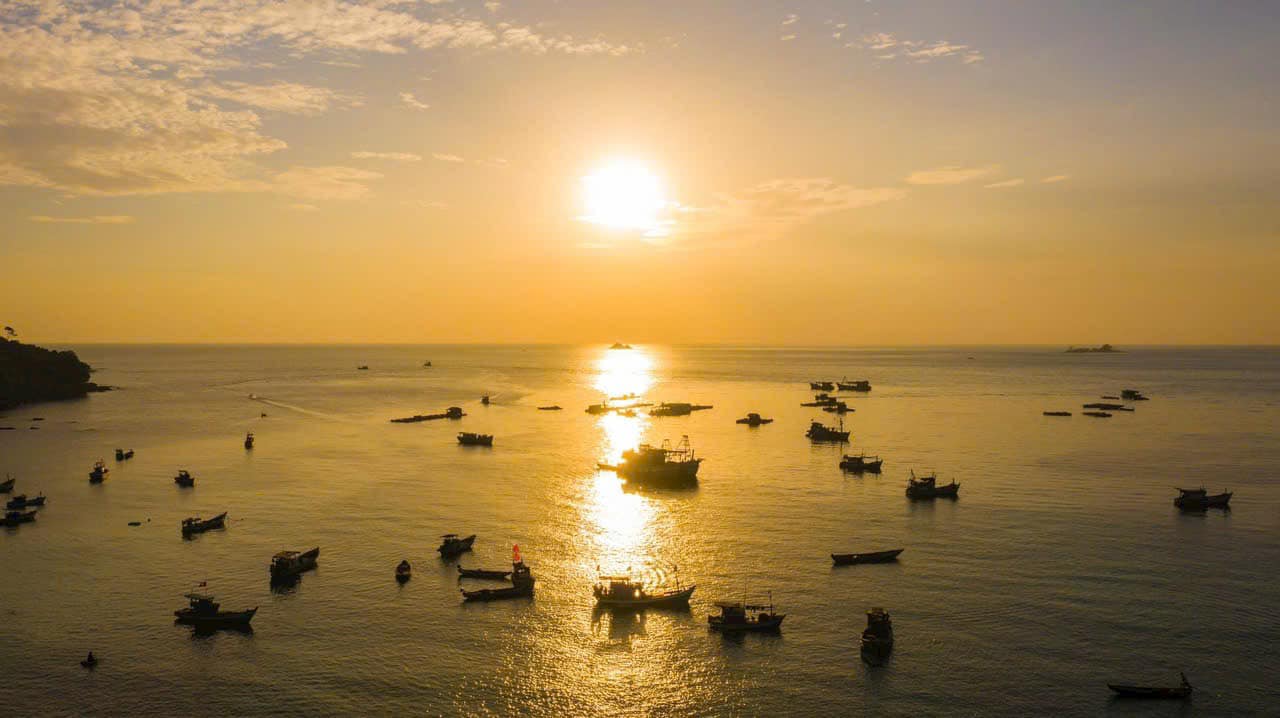
35 Epic Things to Do in Phu Quoc in 2026: Adventure & Luxury Paradise Guide
Discover the ultimate Phu Quoc experience with our comprehensive 2025 guide to Vietnam’s tropical paradise. From pristine beaches and thrilling water adventures to cultural immersion and luxurious relaxation, we’ve curated 35 extraordinary activities for every traveler. Whether you’re seeking hidden gems or iconic attractions, this detailed guide unveils Phu Quoc’s most spectacular offerings, essential travel tips, and insider secrets to create your perfect island getaway.
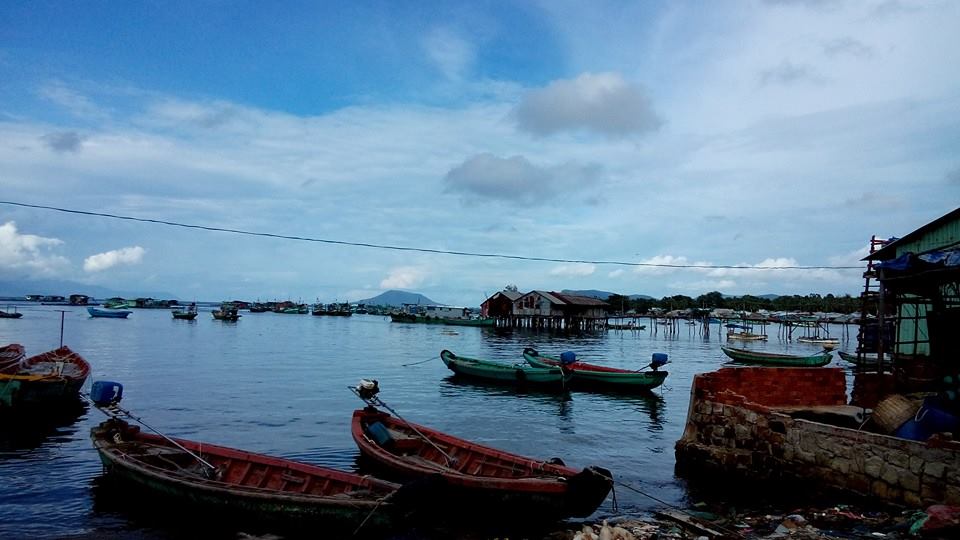
Phu Quoc Island: Vietnam’s Tropical Paradise in 2026
Phu Quoc, Vietnam’s largest island spanning 574 km², has transformed from a sleepy fishing outpost into a world-class destination while maintaining its authentic charm. Located in the Gulf of Thailand, this emerald jewel offers a perfect blend of untouched nature and modern luxury.
In 2025, Phu Quoc continues to captivate travelers with its 150km coastline of powdery white beaches, turquoise waters, and dense national park covering 70% of the island. The island combines Vietnamese cultural heritage with international influences, creating a unique paradise for every type of traveler.
Whether you’re planning a romantic getaway, family vacation, or solo adventure, our comprehensive guide highlights the 35 most extraordinary experiences Phu Quoc offers in 2025, ensuring your visit will be truly unforgettable.
Unmissable Beach Experiences in Phu Quoc
Bask in Sao Beach’s Powdery Perfection
Sao Beach (Bãi Sao) remains Phu Quoc’s crown jewel in 2025, captivating visitors with its 7km stretch of powder-fine white sand and crystal-clear azure waters. Located on the southeastern coast, this paradise beach maintains its pristine condition despite growing popularity.
The beach features a gentle slope into the water, making it ideal for swimming and families with children. Beachside amenities have been tastefully upgraded for 2025, with eco-friendly loungers available for 150,000 VND ($6) per day, complete with umbrella service.
For adventure seekers, water sports facilities offer jet skiing (500,000 VND/$20 for 30 minutes), paddleboarding (200,000 VND/$8 per hour), and parasailing (950,000 VND/$38 per flight). Don’t miss the beachfront restaurants serving the island’s freshest seafood – try the grilled red snapper with lemongrass (350,000 VND/$14) at The Sao Beach Club, which received a Tripadvisor Certificate of Excellence in 2024.
Pro tip: Visit between 7-9 AM to experience the beach at its most serene, before tour groups arrive. The beach is most photogenic during the November-April dry season when waters are their clearest.
Experience Tranquility at Ong Lang Beach
Unlike the more developed beaches, Ong Lang Beach offers a 4km stretch of golden sand punctuated by unique rock formations and backed by swaying palms. Located on Phu Quoc’s western coast just 7km from Duong Dong town, this beach perfectly balances accessibility with serenity.
The beach is divided into several intimate coves, each with its own character. The northern section features calm waters ideal for swimming, while the central area offers spectacular sunset views. The southern coves provide excellent snorkeling opportunities, with colorful coral formations just 30-50 meters offshore.
In 2025, sustainable development initiatives have preserved Ong Lang’s natural beauty while adding thoughtful amenities. The beach is home to several boutique resorts including Mango Bay Eco Resort, where guests enjoy open-air bungalows set among tropical gardens starting at $95/night.
Visitor’s highlight: Don’t miss The Roots restaurant, built around a massive banyan tree, serving contemporary Vietnamese cuisine with organic ingredients grown in their on-site garden. Their seafood hot pot (450,000 VND/$18) is a local favorite.
Discover Hidden Gems at Starfish Beach (Rach Vem)
Located on Phu Quoc’s north coast, Rach Vem Beach (known locally as Starfish Beach) offers one of the island’s most unique natural phenomena. The shallow, warm waters create perfect conditions for red starfish, which gather here in remarkable numbers, especially from November to April.
The 2025 season has seen increased conservation efforts to protect these fascinating echinoderms. Visitors are now guided by local conservation volunteers on how to observe the starfish respectfully—photography is encouraged, but touching is restricted to minimize stress on these delicate creatures.
The beach itself spans 1.5km of untouched coastline with a rustic fishing village at one end. Unlike the more developed beaches, Rach Vem maintains its authentic character with simple seafood shacks on stilts over the water. Try fresh crab (200,000 VND/$8) or grilled prawns (250,000 VND/$10) caught hours before serving.
Access note: The road to Rach Vem has been improved in 2025 but still requires a 15-minute ride on unpaved paths. Most visitors arrive by motorbike or pre-arranged tour (around 800,000 VND/$32 including transportation and lunch).
Thrilling Water Adventures
Explore the Vibrant Underwater World at An Thoi Archipelago
The An Thoi Archipelago, comprising 15 pristine islands off Phu Quoc’s southern coast, offers Vietnam’s premier snorkeling and diving experiences. In 2025, marine conservation efforts have revitalized the coral ecosystems, resulting in unprecedented biodiversity.
The archipelago is accessible via speedboat tours (starting at 950,000 VND/$38) that typically visit 3-4 islands, including May Rut and Gam Ghi, renowned for their vibrant coral gardens. The crystal-clear waters boast visibility of up to 15 meters during the dry season, allowing snorkelers to observe more than 108 coral species and 125 fish varieties, including clownfish, parrotfish, and occasional sea turtles.
For certified divers, Jerry Dive Center offers PADI courses and guided dives to 12 dive sites, including the newly established artificial reef near Hon Thom Island. Two-tank dives start at 2,500,000 VND ($100), with underwater visibility best from November to March.
2025 update: New eco-friendly moorings have been installed to prevent anchor damage to corals, and some tour operators now use electric boats to reduce environmental impact. Advanced bookings are recommended as daily visitor numbers are now capped to protect marine habitats.
Experience the World’s Longest Sea-Crossing Cable Car
The Hon Thom Cable Car continues to break records as the world’s longest sea-crossing cable ride at 7,899.9 meters. Connecting Phu Quoc’s southern coast to Hon Thom (Pineapple Island), this 15-minute journey soars 164 meters above the turquoise Gulf of Thailand.
In 2025, the system features upgraded cable cars with panoramic glass floors, providing unobstructed 360-degree views of the archipelago below. Each cabin accommodates up to 10 passengers and operates from 8 AM to 7 PM daily.
The round-trip fare is 500,000 VND ($20) for adults and 350,000 VND ($14) for children, including access to Sun World Hon Thom Nature Park on arrival. The amusement park has expanded for 2025, adding the “Monsoon Rapids” water slide complex and “Tidal Wave” surf pool to complement existing attractions.
Photographer’s tip: Board between 8-9 AM for optimal morning light and fewer crowds, or time your return journey for 5:30 PM to capture spectacular sunset views over the archipelago. Cameras with polarizing filters will help reduce glare and enhance the turquoise colors of the sea below.
Embark on a Romantic Sunset Cruise with Fresh Seafood BBQ
Phu Quoc’s sunset cruises have evolved beyond simple sightseeing into full culinary and entertainment experiences. Departing from Duong Dong harbor at 3:30 PM, these luxury wooden junk boats sail along the western coast, perfectly positioned to capture the golden hour as the sun dips into the Gulf of Thailand.
Premium operators like Emperor Cruises (1,500,000 VND/$60 per person) offer a 4-hour experience including unlimited drinks, live acoustic music, and a freshly prepared seafood BBQ featuring local rock lobster, giant tiger prawns, and caught-that-morning squid. All ingredients are sourced directly from Ham Ninh fishing village that morning.
The 2025 season has introduced sustainable fishing demonstrations where guests can try traditional Vietnamese hand-line fishing techniques. Some cruises now include guided stargazing sessions after sunset, taking advantage of Phu Quoc’s relatively low light pollution compared to mainland Vietnam.
Booking tip: Reserve 2-3 days in advance during peak season (December-February), and request a table on the upper deck for unobstructed sunset views. Most cruises can accommodate dietary restrictions with advance notice.
Nature and Outdoor Adventures
Trek Through Phu Quoc National Park’s Ancient Wilderness
Covering over 31,400 hectares (70% of the island), Phu Quoc National Park represents one of Vietnam’s best-preserved primeval forests. This UNESCO-designated biosphere reserve protects forest ecosystems dating back millions of years.
In 2025, the park offers five marked hiking trails of varying difficulty, each showcasing different ecosystems. The most popular Ganh Dau Trail (5km, moderate) leads through dense dipterocarp forest to a panoramic mountain viewpoint 565 meters above sea level. The newly established Cua Can Mangrove Trail (3km, easy) explores coastal wetland ecosystems via elevated wooden boardwalks.
Biodiversity here is exceptional, with over 208 animal species and 929 plant varieties. Lucky visitors might spot the endangered silvered langur, hornbills, or the rare Phu Quoc long-tailed macaque, found nowhere else in the world. The park is also home to 43 species of medicinal plants used in traditional Vietnamese medicine.
Visitor information: Entry tickets cost 60,000 VND ($2.40). Hiring a certified guide (500,000 VND/$20) is highly recommended, as they can identify wildlife and explain the ecological significance of different plant species. The best hiking season is November-February when temperatures are cooler and trails are dry.
If you’re interested in exploring other magnificent natural wonders in Vietnam, Central Vietnam’s landscapes offer a perfect complement to Phu Quoc’s tropical scenery, with dramatic coastlines and ancient forests.
Kayak Through Mysterious Mangroves on Cua Can River
The Cua Can River, winding through northern Phu Quoc, offers one of the island’s most serene natural escapes. This 14km waterway is flanked by Vietnam’s oldest and most intact mangrove forests, creating a mysterious green tunnel effect as you paddle through.
Kayaking tours (starting at 600,000 VND/$24 for 3 hours) provide the perfect vantage point to observe this delicate ecosystem. The dense mangrove root systems serve as nurseries for numerous fish species and create natural filtration systems that maintain water clarity. Experienced guides can identify the four distinct mangrove species that thrive here and explain their ecological importance.
The river journey transitions from brackish water to freshwater ecosystems, allowing paddlers to observe the changing flora and fauna. Wildlife enthusiasts should keep cameras ready for sightings of kingfishers, mud skippers, and occasionally, the rare fishing cat.
2025 enhancement: Several tour operators now offer silent electric-motor support for less experienced paddlers, allowing everyone to enjoy this natural wonder without disturbing the ecosystem or wildlife. Early morning tours (starting 6:30 AM) offer the best wildlife viewing opportunities.
Discover Tranquil Serenity at Suoi Tranh Waterfall
Hidden within a verdant valley just 9km from Duong Dong town, Suoi Tranh Waterfall offers a refreshing escape from Phu Quoc’s beach scene. This multi-tiered cascade flows through a 200-meter stream course, creating natural swimming pools surrounded by lush tropical vegetation.
The waterfall is at its most spectacular during the green season (May-October), when water volume transforms gentle cascades into powerful torrents. The surrounding forest harbors 62 bird species and 35 butterfly varieties, making it a paradise for nature photographers.
A well-maintained 600-meter trail leads from the entrance to the main falls, with side paths exploring smaller cascades and rock pools along the way. Adventure seekers can continue hiking upstream to discover secluded pools and mini falls rarely visited by other tourists.
Visitor essentials: Entry fee is 20,000 VND ($0.80). Wear water shoes with good grip as rocks can be slippery. Pack a picnic to enjoy at designated seating areas, or try local specialties from small food vendors at the entrance. The falls are most accessible from November to April, though water volume is reduced during these drier months.
Cultural Immersion and Local Life
Experience Authentic Island Life at Ham Ninh Fishing Village
Dating back over 200 years, Ham Ninh Fishing Village provides a glimpse into Phu Quoc’s traditional maritime culture. Located on the island’s eastern coast at the foot of Ham Ninh Mountain, this village of 5,000 residents continues to practice fishing methods passed down for generations.
The village comes alive between 4-7 AM when fishing boats return with their overnight catches. Visitors can observe fishermen sorting the day’s bounty before it’s distributed to local markets. The village’s long pier (400m) extends over remarkably clear waters, offering spectacular sunrise views and glimpses of local life.
Ham Ninh is renowned for its unique seafood specialties unavailable elsewhere, particularly its blue swimming crabs (ghẹ Hàm Ninh) prepared in a simple garlic and pepper broth (180,000 VND/$7.20 per crab). Other local delicacies include sea urchin (nhum) and horseshoe crab roe, best enjoyed at family-run restaurants built on stilts over the water.
Insider tip: Visit between 4-6 PM to see fishermen preparing their boats for evening expeditions and enjoy dinner as the sun sets. Most restaurants display live seafood in tanks, allowing you to select your dinner personally. Prices here are 30-40% lower than in Duong Dong town for comparable seafood quality.
Dive Into Vietnamese Culinary Culture at Phu Quoc Night Market
The Dinh Cau Night Market in Duong Dong has expanded for 2025 to include over 150 vendors spread across 1.2km, making it Vietnam’s largest island night market. Open from 5 PM to midnight daily, this sensory feast has become Phu Quoc’s culinary and cultural hub.
The market is organized into distinct zones: a seafood street featuring massive displays of fresh catches cooked to order; a traditional Vietnamese food section offering regional specialties; an international cuisine area; and a handicraft market selling locally-made souvenirs and island-produced goods.
Must-try dishes include “bún quậy” (shrimp noodle soup unique to Phu Quoc, 65,000 VND/$2.60), grilled sea urchin with scallion oil (nhum nướng mỡ hành, 150,000 VND/$6 per serving), and the island’s famous herring salad wrapped in rice paper (gỏi cá trích, 120,000 VND/$4.80).
2025 enhancement: The market now features a central cultural performance area where visitors can enjoy traditional Vietnamese music and dance shows starting at 7 PM and 9 PM nightly. Interactive cooking demonstrations for iconic Phu Quoc dishes occur at 6 PM, with audience participation encouraged.
Uncover the Island’s History at Coconut Tree Prison Historical Site
The Coconut Tree Prison (Nhà tù Phú Quốc), built by French colonists in 1949 and later expanded during the Vietnam War, stands as a sobering reminder of the island’s complex past. This historical site, covering 40 hectares, held up to 40,000 political prisoners during its operation.
The recently renovated museum features comprehensive English translations and augmented reality displays added in 2024, providing context to the prison’s 128 different torture methods documented through exhibits. The prison’s infamous “tiger cages” – cells measuring just 1.2 × 2 meters where prisoners were kept in inhumane conditions – have been preserved as a memorial.
While emotionally challenging, this historical site offers crucial insights into Vietnam’s struggle for independence. A newly added reconciliation garden and peace monument emphasize healing and remembrance.
Visitor information: The site is open from 7:30 AM to 5 PM daily, with an entry fee of 40,000 VND ($1.60). Guided tours in English (150,000 VND/$6 additional) provide valuable historical context and personal stories not covered in the displays. Plan to spend 1.5-2 hours exploring the complex.
Unique Phu Quoc Experiences
Discover How World-Famous Phu Quoc Fish Sauce Is Made
Phu Quoc’s fish sauce (nước mắm Phú Quốc) holds protected geographical indication status – similar to champagne or Parmesan cheese – recognizing its unique production methods and exceptional quality. The island’s sauce is distinguished by its higher protein content (36-40N versus the standard 25N) and deep amber color.
Factory tours at established producers like Khai Hoan (operating since 1909) or Red Boat showcase the traditional fermentation process. Visitors observe massive 3,000-liter wooden barrels where black anchovies are layered with sea salt and naturally fermented for 12-18 months. The resulting first extraction, known as “nước mắm nhĩ,” is considered the world’s finest fish sauce.
The 2025 visitor experience includes guided tastings of different grades and ages of fish sauce, similar to wine flights, revealing the complex flavors from caramel sweetness to savory umami. Many facilities now offer cooking demonstrations showcasing how this essential ingredient transforms Vietnamese cuisine.
Shopping tip: Authentic Phu Quoc fish sauce makes an excellent souvenir, with travel-friendly glass bottles available in various sizes (from 100,000 VND/$4). Look for the Protected Designation of Origin seal to ensure authenticity.
Visit Pepper Plantations and Taste World-Class Peppercorns
Phu Quoc’s volcanic soil and microclimate create ideal conditions for growing exceptionally aromatic peppercorns. The island’s 400 hectares of pepper farms primarily grow the Viper variety, prized by chefs worldwide for its complex flavor profile balancing heat with fruity notes.
Farm tours at established plantations like The Pepper Farm Phu Quoc (entrance: 30,000 VND/$1.20) or Khu Tượng Farm demonstrate the labor-intensive cultivation process. Unlike commercial operations elsewhere, Phu Quoc’s pepper is grown on live concrete posts or “living fences” of Dadap trees (Erythrina variegata), an organic method practiced for over a century.
Visitors learn to distinguish between the four pepper varieties all grown from the same vine but harvested at different stages: green (unripe), black (sun-dried unripe), red (fully ripened), and the rare white pepper (ripe berries with skins removed). Guided tastings reveal the distinct flavor profiles of each type.
Culinary souvenir: Purchase vacuum-sealed peppercorns directly from farms (150,000-300,000 VND/$6-12 per 100g depending on variety). Many farms also offer pepper-infused products like honey, chocolate, and essential oils.
Encounter the Rare Phu Quoc Ridgeback Dog
The Phu Quoc Ridgeback is one of only three dog breeds in the world (alongside the Rhodesian and Thai Ridgebacks) featuring a distinctive ridge of backward-growing hair along their spine. With fewer than 700 purebreds remaining, seeing these intelligent, athletic dogs is a unique Phu Quoc experience.
The Phu Quoc Ridgeback Conservation Center, established in 2018, works to preserve this ancient breed that has existed on the island for centuries. The center’s 2025 visitor program allows guests to interact with these remarkable dogs, learn about breeding conservation efforts, and understand their historical importance as hunting and guard dogs for island communities.
Ridgebacks are distinguished by their exceptional intelligence (comparable to Border Collies), webbed feet for swimming, and six distinct coat colors. The conservation center’s 45-minute guided tour (120,000 VND/$4.80) explains how to identify purebred specimens and the efforts to prevent crossbreeding that threatens the genetic line.
Ethical note: While puppies are occasionally available for purchase (starting at $1,500 USD for certified purebreds), international export involves extensive paperwork. The conservation center focuses primarily on education rather than sales.
Luxury and Relaxation
Indulge in a Floating Breakfast at Premium Pool Villas
The floating breakfast experience has been elevated to an art form at Phu Quoc’s luxury resorts in 2025. This Instagram-worthy dining concept features an elaborate breakfast served on floating trays in your private villa pool.
Premier properties like JW Marriott Phu Quoc Emerald Bay and Nam Nghi Resort offer increasingly elaborate floating feasts. Standard packages include freshly baked pastries, tropical fruit platters, Vietnamese coffee, champagne, and made-to-order hot items delivered by personal butlers. The experience is typically priced between 1,200,000-2,000,000 VND ($48-80) for two people, depending on the resort and menu selections.
Newer enhancements for 2025 include wellness-focused options featuring fresh-pressed juices and plant-based dishes, photography packages with professional editing, and even floating afternoon tea services as an alternative to breakfast.
Booking advice: Reserve at least 24 hours in advance and request specific setup times—early morning (7-8 AM) offers the best lighting for photos and cooler temperatures. Most resorts require villa or pool suite bookings for this service.
Rejuvenate with Indigenous Spa Treatments and Mud Baths
Phu Quoc’s spa scene has matured significantly, with premium resorts now incorporating island-specific ingredients and traditional Vietnamese wellness practices into signature treatments.
Mango Bay Resort’s Organic Spa utilizes ingredients harvested from their on-site garden, including lemongrass, aloe, and turmeric, in treatments performed in open-air pavilions overlooking the sea. Their signature “Island Renewal” package (2,500,000 VND/$100) includes a pepper scrub, coconut oil massage, and facial using locally produced honey.
For a unique wellness experience, Galina Mud Bath & Spa offers therapeutic volcanic mud treatments sourced from the island’s southern region. Their 90-minute mud immersion (850,000 VND/$34) includes progressive soaking pools at different temperatures, herbal steam, and a tea ceremony using medicinal plants grown on property.
Wellness traveler note: Many resort spas now offer multi-day wellness programs combining treatments with yoga, meditation, and personalized nutrition plans. The best value is typically found in 3-5 day packages offering 20-30% savings compared to booking individual services.
For those looking to extend their wellness journey, consider a comprehensive 4-day Phu Quoc tour package that balances relaxation with cultural exploration.
Experience VinWonders Amusement Park & Vinpearl Safari
The VinWonders Phu Quoc complex has expanded for 2025 to include six distinct zones across its 50-hectare property, making it Vietnam’s most comprehensive theme park. The park features over 100 rides and attractions, including the “Typhoon” water coaster (Vietnam’s largest), a 120-meter free-fall tower, and elaborate themed areas celebrating Vietnamese mythology and international cultures.
Adjacent to the theme park, Vinpearl Safari houses more than 3,000 animals representing 150 species in Vietnam’s largest wildlife conservation park. The 380-hectare facility features both drive-through and walking safari experiences, allowing close encounters with Bengal tigers, giraffes, white rhinos, and other exotic species. Conservation programs highlight the facility’s breeding success with endangered Asian elephants and clouded leopards.
Combined tickets for both attractions cost 1,200,000 VND ($48) for adults and 900,000 VND ($36) for children, representing a 25% savings compared to separate admissions. Two days are recommended to fully experience both parks.
Visitor strategy: VinWonders is least crowded on weekdays before 11 AM or after 3 PM. Safari visits are best in early morning (8-10 AM) when animals are most active. Both facilities offer express pass options during peak periods for an additional 600,000 VND ($24).
Off-the-Beaten-Path Adventures
Discover Hidden Waterfalls in the Island’s Interior
While Suoi Tranh is Phu Quoc’s best-known waterfall, adventurous travelers can explore several lesser-visited cascades hidden in the island’s mountainous interior. These natural gems require more effort to reach but reward visitors with unspoiled beauty and often complete solitude.
Da Ban Stream (Suối Đá Bàn) features distinctive flat rock formations creating natural water slides and swimming pools across a 2km stretch. Located 12km northeast of Duong Dong, access requires a 25-minute moderate hike through jungle paths from the nearest road access point.
For the truly adventurous, Hang Doi Waterfall (meaning “Bat Cave Waterfall”) combines a 35-minute challenging hike through dense forest with the reward of a 15-meter cascade emptying into a deep emerald pool perfect for swimming. The falls derive their name from the small cave behind the cascade that houses a bat colony.
Explorer’s note: These remote sites lack facilities, so bring ample water, insect repellent, proper footwear, and pack out all trash. Hiring a local guide (approximately 600,000 VND/$24 for half-day) is strongly recommended, as trails are often unmarked and mobile reception is limited in these remote areas.
Photograph Abandoned French Colonial Lighthouse at Dinh Cape
Perched on Phu Quoc’s northwestern promontory, the century-old Dinh Cape Lighthouse (Hải đăng Mũi Dinh) offers a fascinating glimpse into the island’s colonial past. Built by French authorities in 1896, this 15-meter stone tower stands sentinel over one of Phu Quoc’s most dramatic coastal landscapes.
While no longer operational, the lighthouse has been partially restored in 2024, making it safe for visitors to climb the 78 spiral steps to the observation platform. From this vantage point, panoramic views stretch across to Cambodia’s coastal islands only 15km away.
The surrounding cape features unusual rock formations sculpted by centuries of wind and waves. During low tide, a natural rock bridge becomes accessible, leading to a small islet just offshore.
Photography tip: The lighthouse is particularly photogenic at sunset when its weathered stone glows golden against deepening blue skies. The site has no admission fee but is reached via a bumpy 3km dirt road best navigated by motorbike or 4WD vehicle.
Explore Bai Dai Beach’s 15km Untouched Coastline
Stretching an impressive 15km along Phu Quoc’s western coast, Bai Dai (Long Beach) represents the island’s longest continuous beach yet remains remarkably undeveloped compared to neighboring shores. While the northern section hosts some resorts, the southern stretches offer kilometers of pristine shoreline often with no other visitors in sight.
The beach features distinctive golden sand with a steeper drop-off than eastern shores, creating deeper swimming conditions and more substantial waves during the green season (May-October). This makes it ideal for intermediate surfers, with board rentals available at the few beach shacks operating near the central section (300,000 VND/$12 per day).
Marine life is abundant in the clear waters, with snorkelers often spotting pufferfish, sergeant majors, and occasionally sea turtles near the rocky outcroppings at the beach’s southern end. The lack of light pollution makes this shore perfect for nighttime stargazing.
Access information: The central and southern sections are best reached by motorbike via several unmarked dirt paths leading from the main coastal road. Pack essentials as facilities are limited to occasional simple food shacks selling coconuts and basic refreshments.
Essential Travel Information for 2025
Best Time to Visit Phu Quoc
Phu Quoc experiences two distinct seasons, each offering different advantages for travelers:
Dry Season (November-April): The peak tourist season features consistent sunshine, calm seas, and low humidity. Average temperatures range from 25-31°C (77-88°F) with minimal rainfall. Water visibility reaches 15-20 meters, ideal for snorkeling and diving. December-February represents the absolute peak, with higher prices and pre-booking essential for quality accommodations.
Green Season (May-October): The rainy season brings brief, intense afternoon downpours (typically lasting 1-2 hours) followed by sunshine. Humidity increases, but temperatures remain similar to dry season. Benefits include 30-40% lower accommodation rates, lusher landscapes, and fewer tourists. September-October experiences the heaviest rainfall, occasionally disrupting boat tours and outdoor activities.
Special events worth planning around:
- Phu Quoc Marathon (January)
- Phu Quoc International Music Festival (March)
- Vietnamese Independence Day celebrations (September 2)
- Phu Quoc Food & Beverage Festival (November)
Getting to and Around Phu Quoc in 2025
Air Travel: Phu Quoc International Airport (PQC) connects directly to major Vietnamese cities including Hanoi, Ho Chi Minh City, Da Nang, and Can Tho with multiple daily flights. International routes include direct service from Bangkok, Seoul, Guangzhou, Kuala Lumpur, and seasonal charters from various European cities. Flight time from Ho Chi Minh City is approximately 1 hour.
Ferry Service: High-speed ferries connect Phu Quoc to mainland Vietnam via:
- Ha Tien: 1.5-hour journey, departures every 2 hours from 6 AM to 5 PM
- Rach Gia: 2.5-hour journey, 3 daily departures
Island Transportation Options:
- Motorbike rental: The most popular option, costing 150,000-250,000 VND ($6-10) per day. International driving permit recommended but rarely checked.
- Taxi services: Now metered with standard rates; approximately 300,000 VND ($12) from airport to Duong Dong town.
- Ride-hailing: Both Grab and Be (Vietnam’s local alternative) operate on the island in 2025.
- Bicycle rental: Available in most resorts for 100,000 VND ($4) daily.
- Private car with driver: 1,500,000-2,000,000 VND ($60-80) for a full day, ideal for exploring remote areas comfortably.
For travelers wanting to combine Phu Quoc with other Vietnamese destinations, Central Vietnam tours offer excellent cultural and historical complements to your island experience.
Practical Tips for First-Time Visitors
Visa Information: As of 2025, Phu Quoc maintains its special 30-day visa exemption for all nationalities arriving directly to the island and not traveling to mainland Vietnam. Visitors planning to continue to other parts of Vietnam should obtain appropriate visas before arrival.
Currency and Payments: Vietnamese Dong (VND) is the official currency. While credit cards are widely accepted at hotels, resorts, and larger restaurants, cash remains essential for markets, local eateries, and transportation. ATMs are plentiful in Duong Dong town but limited elsewhere. Current exchange rate: approximately 25,000 VND = $1 USD.
Internet and Connectivity: 5G coverage now extends to 85% of the island, including most beaches and tourist areas. Free Wi-Fi is standard in accommodations and restaurants. Local SIM cards with generous data packages cost 200,000 VND ($8) for 30 days, available at the airport or convenience stores.
Health and Safety: Phu Quoc is generally very safe for tourists. The new Vinmec International Hospital (opened 2023) provides high-quality medical care with English-speaking staff. Tap water is not potable—stick to bottled water, which is inexpensive and widely available. Apply high-SPF sunscreen regularly, as the tropical sun is intense even on cloudy days.
Sustainable Tourism: Phu Quoc has implemented several eco-initiatives for 2025, including a ban on single-use plastics in major resorts, coral restoration programs, and community-based tourism projects. Visitors can contribute by refusing plastic bags at markets, properly disposing of trash, and choosing operators with sustainable practices.
Conclusion: Making the Most of Your Phu Quoc Adventure
Phu Quoc represents Vietnam’s perfect balance of natural beauty, cultural authenticity, and thoughtful development. In 2025, the island continues to evolve while preserving the unique character that makes it special—pristine beaches exist alongside world-class resorts, traditional fishing villages operate in the shadow of modern attractions, and untouched wilderness remains just minutes from comfortable amenities.
Whether you’re seeking romance, family adventure, cultural immersion, or simple relaxation, these 35 experiences offer a comprehensive introduction to Phu Quoc’s many facets. The island rewards those who balance planned activities with spontaneous exploration—some of the most memorable moments often come from unplanned discoveries and connections with locals.
As development continues, visiting now provides the opportunity to experience Phu Quoc during its golden period—developed enough for comfort but still authentic and unspoiled compared to many Asian island destinations. By approaching your visit with respect for local communities and environments, you’ll contribute to the sustainable future of this remarkable island paradise.
Contact Information
Website: ninhbinhjourneys.com
Email: vietnammarveltravel@gmail.com
Phone: +84.978.358.422
WhatsApp: +84 978.358.422
Vietnam Marvel Travel – Your Gateway to Authentic Vietnam Experiences
Read Our Reviews: Check out genuine traveler experiences and ratings on Vietnam Marvel Travel Review on TripAdvisor to see why we’re the preferred choice for Vietnam adventures.