
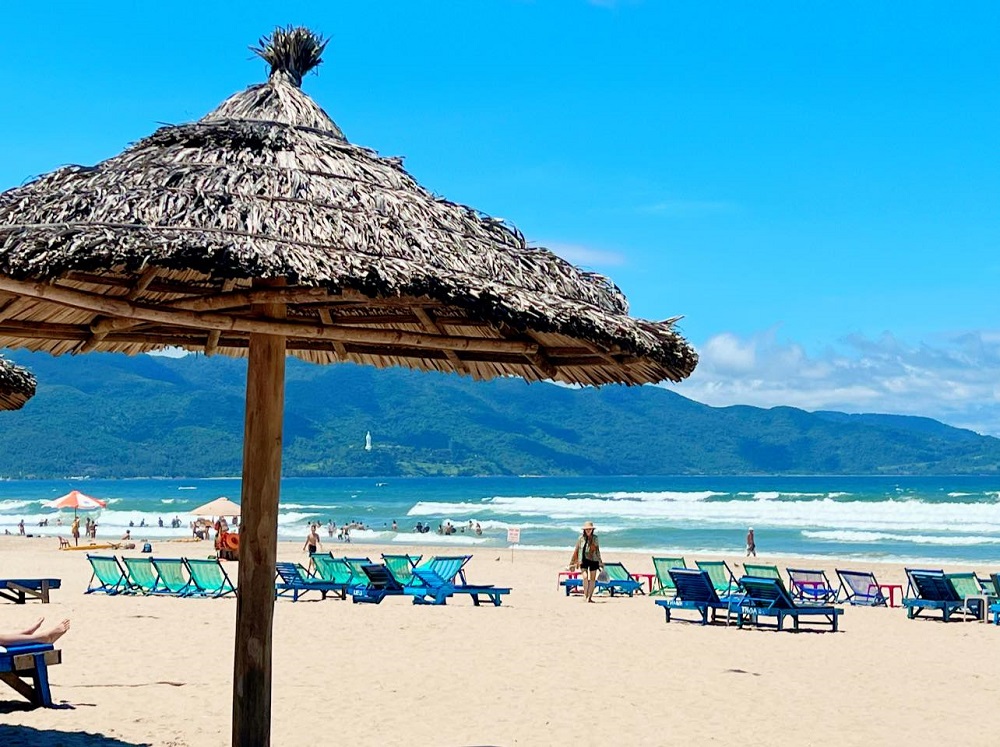
23 Compelling Reasons to Choose Phu Quoc Island for Your Vietnam Vacation in 2026
Discover why Phu Quoc has evolved from Vietnam’s hidden gem to its premier island destination. With pristine beaches, world-class resorts, and unique cultural experiences, this tropical paradise offers everything from budget-friendly adventures to luxury escapes in 2026. Read on to discover why travelers are choosing Phu Quoc over traditional Southeast Asian hotspots.
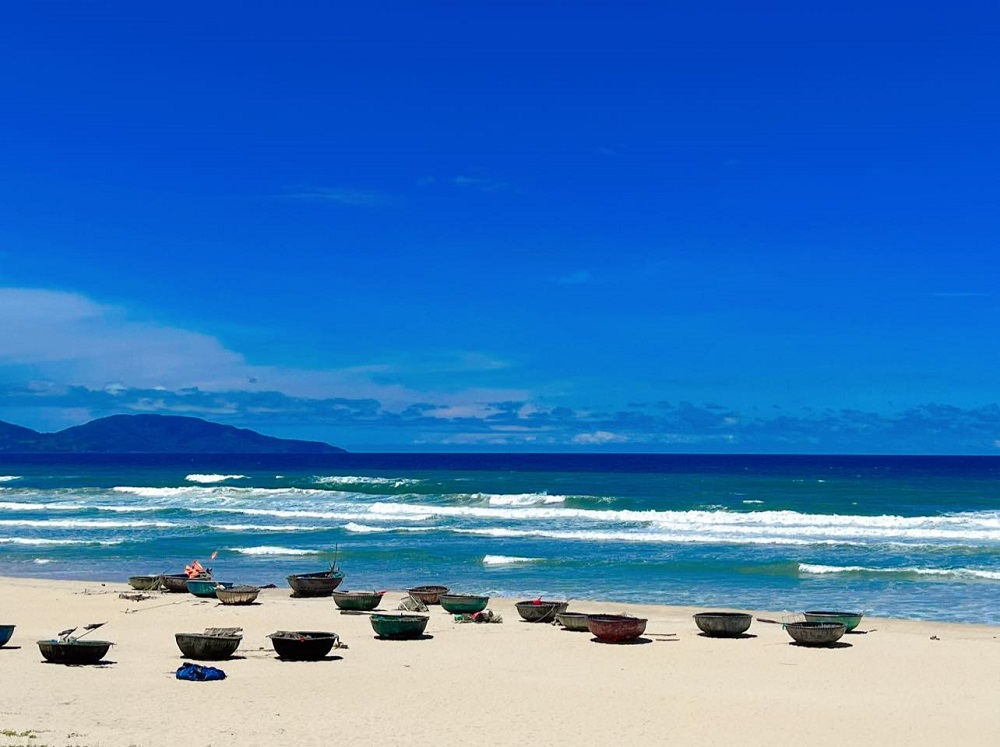
Introduction: The Pearl Island of Vietnam
Phu Quoc, affectionately known as “Pearl Island,” has transformed dramatically over the past decade. Once a sleepy fishing island known only to intrepid travelers, it now stands as Vietnam’s flagship island destination while still maintaining its authentic charm. In 2026, Phu Quoc is poised to welcome over 5 million international visitors, a 35% increase from 2023 figures, according to the Vietnam National Administration of Tourism.
What sets Phu Quoc apart from other island destinations in Southeast Asia is its remarkable balance between development and preservation. Unlike the overdeveloped beaches of Phuket or Bali, Phu Quoc has implemented strict building codes and environmental protections, ensuring that 70% of the island remains covered in lush national parkland.
As travel patterns evolve post-pandemic, Phu Quoc has emerged as the answer for travelers seeking both comfort and authenticity—a rare combination in today’s tourism landscape.
Geographic Appeal: Where Exactly Is Phu Quoc?
Strategic Location Between Countries
Phu Quoc enjoys a privileged position in the Gulf of Thailand, just 45 kilometers from Vietnam’s mainland and a mere 15 kilometers south of Cambodia’s coast. This 574-square-kilometer island (roughly the size of Singapore) belongs to Vietnam’s Kien Giang Province, creating a fascinating cultural intersection that blends Vietnamese traditions with Khmer influences.
The island’s strategic location has historically made it a crossroads for trade and cultural exchange, evidenced by its diverse population of ethnic Vietnamese, Chinese descendants, and Khmer communities. This geographic positioning also contributes to its unique climate pattern, distinct from much of Vietnam.
Unique Geography and Natural Features
Phu Quoc’s topography is remarkably diverse for an island of its size. The northern region features dense, mountainous jungle reaching elevations of up to 603 meters at Mount Chua, while the southern portion offers gentle plains leading to pristine beaches. This varied landscape creates distinct microclimates and ecosystems across the island.
The island is encircled by 150 kilometers of coastline, featuring over 20 beaches with dramatically different characteristics—from the bustling restaurant-lined shores of Long Beach to the secluded coves accessible only by boat in the An Thoi Archipelago.
What truly distinguishes Phu Quoc’s geography is its 28 smaller islets forming the An Thoi Archipelago to the south—a marine wonderland with coral reefs housing over 1,500 species of sea life, according to recent marine biodiversity studies conducted in 2024.
Practical Travel Information for 2025 Visitors
Getting to Phu Quoc
In 2025, reaching Phu Quoc is easier than ever with the expanded Phu Quoc International Airport now handling 4 million passengers annually. Direct international flights operate from:
- Seoul (4 hours, 40 minutes)
- Bangkok (1 hour, 30 minutes)
- Kuala Lumpur (2 hours)
- Singapore (2 hours)
- Hong Kong (2 hours, 30 minutes)
- Beijing (4 hours)
Domestic connections from Ho Chi Minh City take just 50 minutes, with 15 daily flights operated by Vietnam Airlines, VietJet, and Bamboo Airways. From Hanoi, expect a 2-hour flight with 8 daily options.
For budget travelers or those seeking a more scenic approach, high-speed ferries connect from Ha Tien (1.5 hours, $12) and Rach Gia (2.5 hours, $15) on the mainland, with 6 daily departures in peak season.
The Best Time to Visit
Phu Quoc’s climate deserves special attention when planning your trip. The island experiences two distinct seasons:
Dry Season (November to April): The prime time to visit with average temperatures between 25°C-28°C (77°F-82°F). December through February offers the most comfortable climate with low humidity (65%) and minimal rainfall (under 50mm monthly). Hotel occupancy reaches 85-95% during this period, so booking 3-4 months in advance is strongly recommended.
Rainy Season (May to October): While rainfall increases substantially (400-500mm in July and August), the “green season” offers advantages: hotel rates drop by 30-50%, crowds thin out, and the island’s vegetation becomes lushly vibrant. September and October feature intermittent heavy showers rather than constant rain, creating excellent opportunities for budget travelers to experience Phu Quoc at significantly reduced rates.
Weather tracking data from 2024 shows that even during rainy season, Phu Quoc averages 4-6 hours of sunshine daily, making it more hospitable than many tropical destinations during their monsoon periods.
Exceptional Beach Experiences Unlike Anywhere in Vietnam
Award-Winning Shores
Phu Quoc’s beaches consistently rank among Asia’s finest, with Bai Sao (Star Beach) receiving the prestigious Blue Flag certification in 2024 for meeting international standards of water quality, environmental management, and safety. This 7-kilometer stretch of powdery white sand features water clarity with visibility extending to 15 meters on calm days.
Long Beach (Bai Truong) spans an impressive 20 kilometers along the island’s western coast, offering Vietnam’s most spectacular sunsets according to Condé Nast Traveler’s 2024 reader survey. The beach’s northern section provides a bustling atmosphere with beachfront dining, while the southern portion remains relatively undeveloped, offering tranquil spaces even during peak season.
Hidden Gems and Secluded Spots
For travelers seeking exclusivity, Phu Quoc delivers spectacularly with several beaches accessible only by boat or rough trails:
Bai Dai (Long Beach North): A 4-kilometer stretch with only three small resorts as of 2025, featuring coral formations just 50 meters offshore.
Vung Bau Beach: Located on the northwest coast, this 3-kilometer beach remains one of the island’s most pristine, with just four boutique properties and independent beach bars spaced far apart, ensuring privacy even during high season.
Sao Beach (Morning Star Beach): Though becoming increasingly popular, the far southern end remains relatively untouched, with fine white sand that squeaks underfoot—a phenomenon found in only 3% of the world’s beaches due to the perfect silica content.
Mong Tay (Fingernail Island): Part of the An Thoi Archipelago, this uninhabited islet features a perfect half-moon bay with unparalleled snorkeling opportunities. Day trips from $45 include a seafood lunch and snorkeling equipment.
Marine Life Encounters
Phu Quoc’s surrounding waters host remarkable marine biodiversity, with waters warming to a comfortable 29°C (84°F) during summer months. The island’s western shores offer calm swimming conditions year-round, while the eastern beaches provide more dramatic wave action during the southwest monsoon (May-October).
Snorkeling enthusiasts will find exceptional conditions at these locations:
- Hon Thom (Pineapple Island): Home to 120 species of hard and soft corals and over 130 fish species.
- Hon Mong Tay: Features underwater visibility extending to 20 meters on clear days, with frequent sightings of giant clams and spotted eagle rays.
- Dam Ngang: A hidden reef system where sea turtles nest seasonally (March-September).
According to marine conservation data collected in 2024, Phu Quoc’s protected marine areas have seen a 23% increase in fish biomass since protective measures were implemented in 2020, making the underwater experience increasingly rewarding for visitors.
Luxury Accommodations That Rival Global Destinations
World-Class Resorts
Phu Quoc’s accommodation landscape has evolved dramatically, now featuring over 40 internationally recognized four- and five-star properties. The island’s luxury sector rivals established destinations like Bali and Phuket but at 15-30% lower price points for comparable experiences.
JW Marriott Phu Quoc Emerald Bay Resort & Spa: This architectural masterpiece designed by Bill Bensley features 234 rooms and suites themed around a fictional university. The resort spans 19 hectares with a 1.1-kilometer private beach. Starting at $320 per night, it offers five distinctive dining venues, including the renowned Pink Pearl, serving contemporary French cuisine in a mansion setting.
New World Phu Quoc Resort: Opened in late 2023, this collection of 375 private pool villas ranges from 140 to 480 square meters in size, each featuring modern Vietnamese design elements and private infinity pools. The property’s 300-meter beachfront on Bai Khem offers exceptional sunset views, with villas starting at $280 during high season.
InterContinental Phu Quoc Long Beach Resort: This acclaimed property offers 459 rooms, suites, and villas spread across 22 hectares of beachfront landscape. Its award-winning HARNN Heritage Spa spans 1,200 square meters with treatments combining traditional Vietnamese techniques with modern wellness approaches. Room rates start at $250 in 2025.
Boutique Properties with Personality
For travelers seeking more intimate experiences, Phu Quoc offers exceptional boutique properties with distinctive character:
Cassia Cottage: This family-owned gem features just 49 rooms set in tropical gardens with three swimming pools and arguably the island’s best sunset bar. Starting at $150 per night, its restaurant sources ingredients from its own organic garden.
La Veranda Resort MGallery: A French colonial-style property with just 70 rooms, featuring four-poster beds, clawfoot bathtubs, and private balconies overlooking the Gulf of Thailand. Rooms from $220 include complimentary afternoon tea service.
Mango Bay Resort: An eco-friendly property with 44 rustic-luxe bungalows built using traditional techniques and natural materials. The deliberately minimal use of electricity and absence of TVs create a genuine digital detox experience from $130 per night.
Villa Rentals and Alternative Lodging
The private villa market in Phu Quoc has expanded significantly, with over 300 professionally managed properties now available through platforms like Airbnb Luxe and Plum Guide. These range from two-bedroom beachfront villas starting at $150 per night to luxurious six-bedroom estates with private staff at $800+.
For travelers seeking authentic experiences, numerous homestay options have been developed with government support to ensure quality standards. Many fishing village families now offer guest accommodations starting at just $30 per night, often including home-cooked meals and cultural experiences like traditional fishing demonstrations.
Cultural Immersion Opportunities
Authentic Local Experiences
Phu Quoc offers meaningful cultural engagement beyond the typical tourist trail. The island’s diverse heritage—influenced by Vietnamese, Chinese, and Khmer traditions—creates unique cultural experiences:
Fishing Village Home Stays: Spend time with multigenerational fishing families in Ham Ninh, one of Vietnam’s oldest continuously inhabited fishing villages dating back to the 17th century. Participate in net casting, basket boat paddling, and traditional seafood preparation techniques passed down through centuries.
Cao Dai Temple Visits: Explore one of the few Cao Dai temples outside southern Vietnam’s Tay Ninh Province. This uniquely Vietnamese religion combines elements of Buddhism, Christianity, Taoism, and Confucianism. Visitors can observe the distinctive noon ceremony featuring vibrant yellow, blue, and red robes representing different religious traditions.
Pepper Plantation Tours: Phu Quoc black pepper commands premium prices in global markets due to its distinctive aroma and heat profile. Visit family-run farms where cultivation techniques have remained largely unchanged for generations. The Phu Quoc Pepper Association offers guided tours of certified organic farms with tasting sessions comparing different varieties.
Historical and Cultural Sites
The island’s complex history as a contested territory between Vietnam, Cambodia, and colonial powers has left fascinating historical sites:
Coconut Tree Prison Historical Site: This former prison complex operated by French colonizers and later by American and South Vietnamese forces during the Vietnam War has been preserved as a memorial. The 40-hectare site includes original buildings and exhibits documenting the experiences of political prisoners held here.
Coi Nguon Museum: Housing over 5,000 artifacts dating from the 15th to 19th centuries, this privately funded museum showcases items recovered from shipwrecks, ancient pottery, and traditional fishing implements. The museum’s three-floor exhibition space provides comprehensive insight into Phu Quoc’s maritime heritage and indigenous cultures.
Dinh Cau Temple: This unique 1937 lighthouse-temple combination sits dramatically on coastal rocks at the mouth of the Duong Dong River. Local fishermen still conduct ceremonies here before major fishing expeditions. The site offers exceptional sunset views and insight into local spiritual practices.
Craft and Artisanal Traditions
Phu Quoc maintains several distinctive craft traditions that visitors can experience firsthand:
Fish Sauce Production: The island produces what many culinary experts consider the world’s finest fish sauce (nuoc mam), with some facilities dating back over 200 years. Premium versions age in 50-year-old hardwood barrels for up to 36 months. The Red Boat facility offers behind-the-scenes tours explaining the production process, with tasting sessions comparing different aging periods.
Pearl Farming: Phu Quoc’s surrounding waters provide ideal conditions for cultivating South Sea pearls. Visit working pearl farms to learn about the meticulous cultivation process and the factors determining pearl quality. The Ngoc Hien Pearl Farm offers two-hour tours demonstrating the entire cultivation cycle from insertion to harvesting.
Sim Wine Production: Unique to Phu Quoc, this vibrant purple wine is produced from the fruit of the rose myrtle tree native to the island. The production combines Vietnamese, Chinese, and European winemaking techniques. Several small-batch producers offer tastings and production demonstrations.
Culinary Excellence: From Street Food to Fine Dining
Distinctive Local Specialties
Phu Quoc’s isolated development has preserved culinary traditions found nowhere else in Vietnam. The island’s cuisine combines Vietnamese cooking techniques with unique local ingredients:
Herring Fish Salad (Gỏi Cá Trích): Fresh herring marinated with island-grown chilis, garlic, and the distinctive Phu Quoc peppercorns, wrapped in native wild betel leaves. This dish appears on menus from street stalls to fine dining establishments, with traditional versions using fish caught within hours of serving.
Rock Crab in Tamarind Broth (Ghẹ Hấp Sả): Phu Quoc’s rocky coastal areas harbor a species of crab with exceptionally sweet meat. The local preparation involves steaming with lemongrass and a light tamarind sauce, allowing the crab’s natural sweetness to shine.
Sea Urchin Porridge (Cháo Nhum): A specialty found primarily in the Ham Ninh village, featuring rice porridge with fresh sea urchin roe harvested that morning. The dish combines creamy textures with the briny umami flavor of fresh urchin.
Red Grouper Hot Pot (Lẩu Cá Mú): The island’s signature communal dish features locally caught grouper in a sour tamarind broth flavored with pineapple, tomato, and aromatic herbs unique to Phu Quoc’s microclimates.
World-Class Dining Establishments
Phu Quoc’s dining scene has evolved dramatically with the arrival of internationally acclaimed chefs and restaurant concepts:
Pink Pearl at JW Marriott: Housed in a striking pink mansion, this fine-dining venue focuses on contemporary French techniques applied to Vietnamese ingredients. Their signature dish—butter-poached local lobster with Phu Quoc pepper bearnaise—exemplifies this fusion approach. Eight-course tasting menus start at $95.
INK Restaurant: Chef Akira Back’s first Vietnamese venture specializes in modern Japanese cuisine using locally sourced seafood. The 16-seat chef’s counter offers an interactive dining experience with dishes prepared before guests. Omakase menus from $120.
Ham Ninh Seafood Market: For authentic local dining, this collection of family-run seafood restaurants allows diners to select live seafood from tanks before preparation. Most dishes range from $5-15, with specialties including mantis shrimp grilled with local salt and chili.
Food Tours and Cooking Classes
Culinary education has become a cornerstone of Phu Quoc’s tourism offering:
Phu Quoc Countryside Cooking School: Located in a traditional home surrounded by fruit orchards, this school offers half-day programs teaching five authentic Phu Quoc specialties. Classes include market visits, ingredient sourcing, and traditional cooking techniques, concluding with a family-style meal. Programs from $45.
Night Market Food Tours: Several operators now offer guided explorations of Duong Dong and An Thoi night markets, with expert guides explaining unfamiliar ingredients and facilitating interactions with vendors. These 3-hour walking tours include tastings at 6-8 different stalls for approximately $30.
Fish Sauce Tasting Workshops: Similar to wine tastings, these guided sessions explore the nuances of different fish sauce varieties, explaining aging processes and production methods. The Red Boat facility offers 90-minute tastings with food pairings for $25.
Looking for a more complete experience of Vietnam? Consider exploring Central Vietnam’s cultural treasures, which perfectly complement Phu Quoc’s island charm with historic sites and culinary traditions.
Adventure Activities for Every Type of Traveler
Water Sports and Marine Adventures
Phu Quoc’s 150 kilometers of coastline create endless opportunities for water-based activities:
Scuba Diving and Certification: The island hosts 6 PADI-certified dive centers offering courses from beginner to divemaster level. The An Thoi Archipelago features 20+ dive sites with visibility reaching 15-20 meters during dry season. Two-tank dive trips start at $85, while PADI Open Water certification courses run approximately $380.
Sunset Sailing: Several operators offer evening sailing excursions on traditional wooden vessels or modern catamarans. Rainbow Divers’ sunset cruise includes fresh seafood dinner and open bar for $65 per person on their 74-foot wooden sailing vessel.
Kayaking and Stand-Up Paddleboarding: Explore the calm waters of Vung Bau Bay or Ong Lang Beach with rental equipment widely available (kayaks from $8/hour, SUPs from $10/hour). Guided mangrove kayaking tours through Cua Can River’s ecosystem cost approximately $35 for three hours.
Jet Skiing and Parasailing: Available primarily along Long Beach, with 30-minute jet ski rentals at $40 and 15-minute parasailing experiences at $35. Licensed operators with insurance coverage can be identified by their government-issued blue certification flags.
Land-Based Exploration
The island’s diverse topography creates outstanding opportunities for land adventures:
National Park Trekking: The 31,422-hectare Phu Quoc National Park contains hiking trails ranging from easy 2-kilometer nature walks to challenging 8-kilometer mountain treks. Guided options include wildlife spotting tours focusing on the 929 plant species and 208 animal species documented within the park boundaries. Full-day guided treks with transportation and meals cost approximately $45.
Mountain Biking: The developing network of single-track trails through the central mountains offers rides for various skill levels. Specialized mountain bikes can be rented from several operators, with guided half-day tours starting at $35 including equipment.
ATV Adventures: Explore off-road trails through rubber plantations and jungle terrain on guided ATV tours. Two-hour guided experiences cost approximately $50 per vehicle.
Rock Climbing: The granite formations in the island’s north offer routes for beginners through advanced climbers. Phu Quoc Climbing Adventures provides full equipment, instruction, and transportation from $65 for half-day sessions.
Aerial Experiences
For breathtaking perspectives of the island:
Hon Thom Cable Car: Currently the world’s longest oversea cable car at 7,899 meters (4.9 miles), connecting Phu Quoc to Hon Thom (Pineapple Island). The 15-minute journey passes over fishing villages and coral reefs with panoramic ocean views. Round-trip tickets cost $25.
Helicopter Tours: Recently introduced services offer 30-minute aerial tours of the island for $199 per person, providing unmatched photographic opportunities of the coastline, mountains, and An Thoi Archipelago.
Paragliding: Seasonal tandem paragliding experiences launch from the hills above Long Beach, providing 15-20 minute flights with qualified instructors for approximately $100.
Family-Friendly Attractions and Amenities
Kid-Focused Entertainment
Phu Quoc has invested significantly in family-friendly infrastructure, making it increasingly popular for multigenerational travel:
VinWonders Amusement Park: This 50-hectare theme park features six themed zones with over 100 rides and attractions. Highlights include Vietnam’s largest water park section with 20+ slides and pools, plus a 4D cinema and marine life shows. Day passes cost $35 for adults and $25 for children, with significant discounts for multi-day visits.
Vinpearl Safari: The only open-zoo concept in Vietnam, housing over 3,000 animals representing 150+ species across 380 hectares. Walking tours and safari bus options allow viewing of both domestic and exotic wildlife including giraffes, zebras, and white tigers. The conservation center offers educational programs about endangered Vietnamese species. Admission is $30 for adults, $20 for children.
Aquatopia Water Park: A family-focused water adventure park featuring 20+ slides and attractions designed for various age groups. The park emphasizes safety with international standard lifeguard certification and water quality monitoring. Day passes cost $28 for adults, $20 for children.
Educational Experiences
Families seeking enriching activities will find numerous options:
Phu Quoc Bee Farm: This interactive educational center demonstrates traditional honey harvesting techniques with safe observation hives. Children can participate in candle-making workshops using beeswax and honey-tasting sessions featuring six varieties produced on the island. Admission is $5, with workshops an additional $8.
Coi Nguon Museum: Beyond its historical exhibits, this museum offers specialized children’s tours focusing on pirate history and shipwreck treasure, with interactive elements designed for younger visitors. Family tickets cost $12 for two adults and up to three children.
Turtle Conservation Center: Located near Bai Thom, this research and protection facility allows visitors to learn about sea turtle conservation efforts. During nesting season (May-October), guided evening tours may include witnessing turtle nesting or hatchling releases. Admission by donation ($5 suggested).
Family-Appropriate Accommodations
Many resorts have developed specialized family offerings:
Novotel Phu Quoc Resort: Features two-bedroom family suites with separate children’s rooms decorated in marine themes. The property includes a dedicated kids’ club operating from 8am-8pm, mini-golf course, and children’s pool with water features. Family packages include daily activities like kite-making and sandcastle competitions.
Premier Village Phu Quoc: Offers multi-bedroom villas ideal for extended families, with private pools, full kitchens, and in-villa BBQ services. The resort’s family program includes complimentary activities like morning fishing excursions, cooking classes, and evening beach cinema.
Sol Beach House: This family-oriented resort provides adjoining room options, children’s menus in all restaurants, and dedicated family pool areas. Their “Family Concierge” service assists with arranging age-appropriate activities and special requirements like baby equipment or childcare services.
For families looking to explore more of Vietnam, consider the comprehensive Phu Quoc 4 Days 3 Nights Tour Package, which includes family-friendly activities and accommodations specially designed for travelers with children.
Digital Nomad Infrastructure and Remote Work Possibilities
Connectivity and Workspace Options
Phu Quoc has rapidly developed infrastructure catering to location-independent professionals:
Island-Wide Connectivity: As of 2025, Phu Quoc offers 5G coverage across all developed areas with average download speeds of 175 Mbps, according to recent SpeedTest.net data. Fiber optic internet has been installed in all major resorts and most cafés in Duong Dong and An Thoi towns.
Dedicated Coworking Spaces: The island now hosts four purpose-built coworking facilities:
- CoLAB Phu Quoc: A 600-square-meter facility in Duong Dong with 80 workstations, 5 meeting rooms, and 24/7 access options. Day passes cost $8, with monthly memberships from $120.
- Nomad House: A beachfront workspace in Ong Lang featuring open-air workstations with sea views, high-speed backup generators, and a café serving specialty coffee. Day passes are $10, monthly packages $160.
- The Hub: A hybrid hotel/coworking concept offering pod-style sleeping accommodations combined with professional workspace. Combined packages start at $600 monthly.
Remote-Work Friendly Cafés: Numerous establishments cater specifically to digital workers:
- The Coffee House: A Vietnamese chain with three Phu Quoc locations featuring reliable WiFi, abundant power outlets, and workstation-friendly seating.
- Winston’s Café: An expatriate-owned establishment offering workspace reservations with minimum purchase requirements rather than hourly fees.
- Oceans: A beachfront café with dedicated “working zones” featuring adjustable desks, task lighting, and ergonomic seating options.
Long-Term Accommodation Options
The growing digital nomad community has spurred development of longer-stay options:
Serviced Apartments: Several new developments cater specifically to extended stays, including:
- Seashells Phu Quoc Hotel & Serviced Apartments: Offering fully furnished units with kitchenettes, weekly housekeeping, and fiber internet from $600 monthly.
- Anthena Residence: Studio and one-bedroom apartments with co-living community events and shared workspaces from $450 monthly.
Extended-Stay Hotel Programs: Many hotels now offer significant discounts for stays exceeding 14 days:
- La Mer Resort: Offers 50% discounts on standard rates for stays of 30+ days, including utilities and twice-weekly housekeeping.
- Saigon Phu Quoc Resort: Provides dedicated “workcation” packages including daily breakfast, laundry allowances, and premium internet access for long-term guests.
Digital Nomad Community
A vibrant community has developed to support remote workers:
Networking Events: Weekly meetups organized through Phu Quoc Digital Nomads Facebook group (8,700+ members as of early 2025) include skill-sharing sessions, beach cleanup activities, and social gatherings.
Knowledge-Sharing Platforms: The Slack channel “Nomads in Phu Quoc” connects over 1,500 current and former island-based remote workers, offering advice on accommodations, visa extensions, and local services.
Professional Development: Monthly masterclass events hosted by CoLAB feature visiting experts in fields ranging from SEO optimization to cryptocurrency investing, creating professional development opportunities even in this island setting.
Sustainability Initiatives Making Phu Quoc a Responsible Choice
Environmental Protection Measures
Phu Quoc has implemented significant sustainability programs to preserve its natural assets:
Marine Protected Areas: The establishment of Vietnam’s first Marine Protected Area network in 2020 now covers 41,000 hectares surrounding Phu Quoc and nearby islands. Within these zones, commercial fishing is prohibited, and recreational activities are strictly regulated. Marine biologists conduct quarterly reef health assessments, with data showing a 23% increase in coral coverage since protection began.
Plastic Reduction Programs: The “Phu Quoc Plastic Free” initiative, launched in 2022, has eliminated single-use plastics from 78% of beachfront businesses as of January 2025. Over 120 water refill stations have been installed across tourist areas, reducing plastic bottle waste by an estimated 2.6 million bottles annually.
Forest Conservation: While development has increased, strict zoning laws maintain protection for 67% of the island’s total land area, primarily within Phu Quoc National Park. Reforestation efforts have added 1,200 hectares of native species since 2020, creating wildlife corridors between fragmented forest areas.
Socially Responsible Tourism
The island has developed programs ensuring tourism benefits local communities:
Community-Based Tourism: The Ham Ninh and Rach Vem fishing village tourism programs ensure that 75% of revenue remains with local families. These structured programs allow cultural exchange while preventing exploitation of traditional communities.
Vocational Training: The Phu Quoc Tourism College, established in 2021, provides hospitality training for local residents. Major resorts have committed to maintaining workforces of at least 70% local employees, creating a career pathway for island residents.
Cultural Preservation: A portion of the island’s tourism tax directly funds cultural heritage programs, including the documentation of traditional fishing techniques, culinary practices, and architectural preservation in historic villages.
Eco-Certified Accommodations
Several properties have obtained recognized environmental certifications:
Mango Bay Resort: Achieved Green Globe certification in 2023 for its comprehensive sustainability program including rainwater harvesting, solar power generation, and biological wastewater treatment systems that create irrigation water for gardens.
Fusion Resort Phu Quoc: Certified by EarthCheck for its closed-loop waste management system, which processes 93% of waste on-site through composting and recycling programs.
Cassia Cottage: Received LEED Silver certification for its recent expansion, featuring energy-efficient design, locally-sourced building materials, and comprehensive water conservation systems.
If you’re interested in responsible tourism opportunities throughout Vietnam, the Central Vietnam Tour 6 Days showcases sustainable travel practices in Hoi An and the surrounding countryside, complementing Phu Quoc’s eco-initiatives.
Weather Patterns and Best Times to Visit
Seasonal Considerations in Detail
Understanding Phu Quoc’s microclimate helps optimize your visit:
Peak Dry Season (December-February): The most popular period features consistently sunny days with temperatures averaging 26-28°C (78-82°F) and humidity at 65-70%. Ocean temperatures stabilize around 27°C (81°F), ideal for water activities. Rainfall averages just 30-40mm monthly, typically in brief evening showers. This period sees hotel occupancy reaching 90%+ with corresponding peak pricing.
Shoulder Dry Season (November & March-April): These months offer excellent value with similar weather conditions to peak season but 15-30% lower accommodation rates. November may experience occasional rainfall (70-100mm) as the rainy season transitions, while March and April see temperatures climb slightly to 28-32°C (82-90°F) with increased humidity (75-80%).
Early Rainy Season (May-July): Characterized by brief but intense afternoon thunderstorms lasting 1-2 hours, with sunshine dominating mornings. Monthly rainfall increases to 150-250mm, but the pattern of afternoon storms allows for morning activities. Accommodation rates drop by 30-40%, and tourist density decreases significantly.
Peak Rainy Season (August-October): The wettest period brings 300-500mm monthly rainfall, with August typically recording the highest precipitation. Rain patterns become less predictable, sometimes lasting several days. However, room rates reach annual lows (up to 50% off high season), and many luxury properties offer significant upgrades or added amenities to attract visitors.
Microclimates Across the Island
Phu Quoc’s geography creates notable weather variations across different regions:
Western Coast: The most sheltered area with lower rainfall even during monsoon season. Long Beach typically receives 15-20% less precipitation than the island’s eastern shores.
Northern Mountains: Higher elevation areas experience slightly cooler temperatures (2-3°C lower than coastal regions) and occasionally catch more rainfall due to orographic effects.
Southern Peninsula: The An Thoi region often sees clearing skies earlier after rainfall and experiences stronger winds, particularly beneficial during hotter months.
Special Weather Considerations
Some weather-related factors worth noting:
Sea Conditions: During rainy season (particularly August-September), the eastern beaches can experience rough seas with strong currents. Western beaches remain significantly calmer year-round.
Visibility for Diving/Snorkeling: Water clarity peaks from December through April with visibility extending to 15-20 meters. During rainy season, visibility can decrease to 5-10 meters, particularly after heavy rainfall.
UV Index: Phu Quoc experiences extremely high UV indices year-round (typically 9-11 on the 12-point scale), necessitating comprehensive sun protection even on cloudy days.
Transportation Options Around the Island
Rental Vehicles
Self-transportation offers the greatest flexibility for exploring:
Motorbike/Scooter Rental: The most popular option with daily rates ranging from $6-12 depending on engine size (125cc-150cc models most common). International driver’s permits are technically required but rarely checked. Helmet use is mandatory with potential fines of $25 for non-compliance. Fuel costs approximately $1 per liter, with most scooters consuming 2-3 liters per 100km.
Car Rental: Both self-drive and with-driver options are available. Self-drive requires an International Driving Permit and costs $35-60 daily depending on vehicle class. With-driver services range from $50-80 per day including fuel for standard sedan models.
Bicycle Rental: Available primarily in the Duong Dong and Long Beach areas at $3-5 daily. Electric-assist models have become increasingly available at $8-12 daily.
Public Transportation
Options for those preferring not to drive:
Taxi Services: Metered taxis operate throughout developed areas with starting fares of $0.50 plus $0.60-0.80 per kilometer. The Grab rideshare app operates on the island with similar pricing to traditional taxis but fixed upfront fares.
Shuttle Services: Many resorts offer complimentary scheduled shuttles to Duong Dong town and major beaches. The Phu Quoc Tourist Shuttle connects major attractions with hop-on-hop-off service for $15 daily unlimited use.
Motorcycle Taxis (Xe Om): Informal motorcycle taxi services are available in populated areas, with negotiated fares typically ranging from $1-5 depending on distance. The GrabBike service provides a more structured alternative with preset pricing.
Transportation Logistics
Practical considerations for getting around:
Road Conditions: Main roads connecting major destinations are now paved and well-maintained. Interior roads may still feature unpaved sections, particularly after heavy rain. The north-south highway spanning the island is fully completed and provides efficient travel between regions.
Travel Times: Key journey durations:
- Duong Dong to Long Beach: 10-15 minutes
- Duong Dong to An Thoi: 45 minutes
- Duong Dong to Bai Sao: 35 minutes
- Duong Dong to Northern Beaches: 30-40 minutes
Navigation: Mobile coverage extends throughout populated areas and along main roads, making GPS navigation reliable. The Maps.me application offers downloadable offline maps with excellent detail for Phu Quoc, including smaller trails and beaches.
Shopping and Souvenir Opportunities
Authentic Local Products
Phu Quoc offers several distinctive products worth bringing home:
Phu Quoc Fish Sauce (Nuoc Mam): The island’s most famous export carries protected designation of origin status. Premium versions aged 36+ months in wooden barrels sell for $10-25 per bottle depending on quality. The Red Boat brand offers gift sets with various aging levels for comparison.
Black Pepper: Phu Quoc’s volcanic soil produces pepper with distinctive aromatic qualities. Various grades are available, with the highest “Super Extra” grade selling for approximately $15 per 100 grams. Vacuum-sealed packaging ensures freshness for international travel.
Sim Wine: This uniquely Vietnamese product made from the rose myrtle fruit is produced exclusively on Phu Quoc. Bottles range from $7-20 depending on aging and production method. The beverage features a distinctive purple color and sweet-tart flavor profile.
Cultured Pearls: Phu Quoc’s pearl farms produce high-quality South Sea pearls at prices 30-40% lower than in major international markets. Single pearls start around $50, with complete jewelry pieces from $100-500 depending on size, luster, and setting materials.
Shopping Districts and Markets
Several areas offer concentrated shopping experiences:
Duong Dong Night Market: Operating nightly from 5pm to midnight, this 300-vendor market specializes in seafood dining and souvenir shopping. The northern section focuses on crafts and packaged food products, while the southern portion features primarily fresh seafood restaurants.
Bach Dang Street: Duong Dong’s main commercial thoroughfare contains numerous boutiques selling resort wear, handicrafts, and packaged local specialties. The street becomes pedestrian-only on weekend evenings with additional street food vendors.
An Thoi Market: Less touristic than Duong Dong’s offerings, this authentic local market provides insight into daily Vietnamese life while offering lower prices on many souvenirs and food products.
Ham Ninh Fishing Village Market: This small but distinctive market specializes in pearls, handicrafts made from seashells, and unique seafood products like rock crab paste and dried sea urchin.
Artisanal Workshops and Direct Purchasing
For more meaningful shopping experiences:
Phu Quoc Bee Farm: Offers direct sales of honey products including specialty varieties infused with local ingredients like pepper, ginger, and lime. Their gift shop also features beeswax candles and natural cosmetics produced on-site.
Pepper Farm Tours: Several farms including the Phu Quoc Countryside Farm and Khu Tuong Pepper Farm allow visitors to purchase directly from producers, with options to select specific varieties based on tasting experiences.
Coconut Oil Workshop: Located near Ong Lang Beach, this small-scale producer creates cold-pressed coconut oil and related products using traditional extraction methods. Visitors can observe the production process before purchasing.
Made in Phu Quoc: This collective boutique in Duong Dong showcases products from 25+ local artisans, including handwoven textiles, reclaimed wood art, and small-batch food products with a focus on sustainable production.
Nightlife and Entertainment
Beach Bars and Sunset Venues
Phu Quoc’s west-facing orientation creates exceptional sunset viewing opportunities:
Sailing Club Phu Quoc: This iconic venue on Long Beach features tiered seating facing the ocean, fire dancers at sunset, and transitions from casual daytime dining to energetic nighttime entertainment. Their signature cocktail program emphasizes local ingredients like Phu Quoc pepper and tropical fruits.
Rory’s Beach Bar: A long-standing favorite among expatriates, offering an extensive international beer selection, live acoustic music on weekends, and beachfront seating directly on the sand. Their Sunday Sessions feature rotating international DJs from 4pm until midnight.
Rock Island Club: Located on a small rocky outcrop accessible by a narrow walkway, this unique venue offers 270-degree ocean views, innovative molecular cocktails, and an intimate atmosphere limited to 60 guests maximum.
INK Beach Lounge: The newest premium beach club, featuring infinity pools merging visually with the ocean, private cabanas available for daily rental, and rotating international chef residencies for distinctive dining experiences.
Cultural Performances and Experiences
Evening entertainment with cultural dimensions:
Vinpearl Safari Night Tour: This specialized evening program allows viewing of nocturnal animals with expert guides, concluding with a traditional Vietnamese dance performance and dinner. Tours operate three nights weekly (Tuesday, Thursday, Saturday) and cost $45 per person.
Phu Quoc Traditional Music Ensemble: Performs classical Vietnamese music at the Cultural Center every Friday and Saturday evening, featuring instruments rarely seen elsewhere like the dan bau (monochord) and dan tranh (zither). Performances last approximately 75 minutes with tickets priced at $12.
Coconut Prison Historical Reenactment: This evening program presents the island’s complex wartime history through dramatic storytelling and limited reenactment, providing historical context about the island’s development. Shows run Monday, Wednesday, and Saturday evenings for $15.
Casinos and Gaming
Phu Quoc represents Vietnam’s experiment with expanded gaming access:
Corona Resort & Casino: The first facility in Vietnam allowing Vietnamese citizens to gamble (with income verification). The 18,800-square-meter gaming floor features 100+ table games and 1,000+ electronic gaming machines. The complex includes three restaurants and regular entertainment programming.
Vinpearl Casino: A smaller facility within the Vinpearl Resort complex, offering a more intimate gaming experience with approximately 50 tables and 300 electronic machines. Their high-limit rooms cater to VIP players with minimum bets starting at $100.
Healthcare and Safety Considerations
Medical Facilities
Phu Quoc’s healthcare infrastructure has improved significantly:
Vinmec International Hospital Phu Quoc: Opened in 2021, this 150-bed facility meets international standards with emergency services, imaging capabilities (including CT and MRI), and specialists in cardiology, orthopedics, and internal medicine. Several staff members speak English, and the hospital maintains relationships with international medical evacuation services.
International SOS Clinic: This outpost of the global medical assistance organization provides primary care, emergency stabilization, and coordination with evacuation services if necessary. Their staff includes Western-trained physicians with multilingual capabilities.
Pharmacy Access: Modern pharmacies with English-speaking staff are available in Duong Dong and at major resorts. Most common medications are available, though travelers with specific prescription requirements should bring adequate supplies.
Safety Profile
Phu Quoc maintains an excellent safety record for visitors:
Crime Statistics: The island reports significantly lower crime rates than major Vietnamese cities, with incidents affecting tourists primarily limited to petty theft. The Tourist Police division, established in 2022, provides specialized assistance for visitors with English and Chinese language capabilities.
Water Safety: While most beaches feature gentle conditions, seasonal rip currents can occur, particularly on the eastern coast during monsoon season. Seventeen beaches now have lifeguard coverage during daylight hours, with internationally standardized flag systems indicating swimming conditions.
Road Safety: Traffic accidents represent the most significant safety risk. Road quality has improved, but defensive driving remains essential. Helmets are mandatory for motorcyclists, with enforcement increasing around tourist areas.
Emergency Services
Resources available in urgent situations:
Emergency Contact: Vietnam utilizes the emergency number 113 for police, 114 for fire, and 115 for medical emergencies. The Phu Quoc Tourist Support Hotline (established 2023) provides 24/7 assistance in English, Vietnamese, and Chinese at +84-297-6255-777.
Evacuation Services: In cases requiring advanced medical care, helicopter evacuation to Ho Chi Minh City is available through coordination with major hospitals and travel insurance providers. Typical evacuation time is 90-120 minutes from decision to hospital arrival.
Travel Insurance: Comprehensive travel insurance is strongly recommended, as medical evacuation costs can exceed $25,000 without coverage. Many accommodations now require proof of travel insurance at check-in as part of Vietnam’s tourism development strategy.
Budget Breakdown: What to Expect Cost-Wise
Accommodation Price Ranges
Lodging options span the full spectrum of budgets:
Budget Accommodations ($10-35/night):
- Backpacker hostels with dormitory beds: $8-15
- Basic guesthouses with private rooms: $15-30
- Homestay experiences with local families: $20-35
Mid-Range Options ($35-120/night):
- Boutique hotels with pool access: $40-70
- Beachfront bungalows: $60-100
- Apartment-style accommodations with kitchenettes: $70-120
Luxury Experiences ($120+/night):
- Internationally branded resorts: $150-300
- Private pool villas: $200-500
- Ultra-luxury experiences with butler service: $500-1,500
Seasonal variations significantly impact pricing, with high season (December-February) commanding 30-50% premiums over shoulder season rates. Many properties offer “green season specials” during the rainy months, with luxury properties sometimes available at mid-range prices.
Dining and Food Costs
Culinary experiences range from street food to fine dining:
Budget Meals ($1-5):
- Street food dishes (banh mi, simple noodle soups): $1-3
- Local market meals: $2-4
- Basic restaurant lunch specials: $3-5
Mid-Range Dining ($5-15):
- Seafood dinners at local restaurants: $8-15 per person
- Western cuisine at casual restaurants: $7-12 per main course
- Buffet breakfast at mid-range hotels: $8-12
Premium Dining ($15+):
- Seafood dinner at beachfront restaurants: $20-30 per person
- Fine dining experiences at resort restaurants: $40-70 for multi-course meals
- Private dining setups on the beach: $80-150 per person
Beverage costs vary widely, with local beer available from $1 in markets to $5 in resort settings. Cocktails range from $3-4 at beach bars to $10-15 at premium venues.
Transportation Expenditures
Getting around the island represents a moderate expense:
Daily Rental Costs:
- Bicycles: $3-5
- Motorbikes/Scooters: $6-12
- Cars (self-drive): $35-60
- Cars with driver: $50-80
Fuel and Related Expenses:
- Gasoline: approximately $1 per liter
- Typical daily scooter fuel usage: $2-4 depending on distance covered
- Car fuel for island circuit: $10-15
Public Transportation:
- Taxi from airport to Duong Dong: $10-15
- Taxi from Duong Dong to distant beaches: $6-12
- Tourist shuttle day pass: $15
Activity and Entertainment Pricing
Experiences range from free natural attractions to premium adventures:
Free and Low-Cost Activities:
- Beach access: Generally free (some resorts maintain private sections)
- Self-guided hiking in accessible portions of National Park: Free
- Night markets: Free entry with food purchases from $1
- Sunset viewing at public beaches: Free
Moderate-Cost Experiences ($10-30):
- Half-day snorkeling trips: $15-25
- Entrance to Vinpearl Safari: $25
- Cooking classes: $25-35
- Pearl farm tours: $12-18
Premium Experiences ($30+):
- Full-day island hopping with private boat: $80-150
- Scuba diving (two tanks): $85-110
- Helicopter tours: $199 for 30 minutes
- Private sunset sailing cruise: $60-90 per person
Visa Information and Entry Requirements for 2025
Standard Tourist Entry
Vietnam continues to expand visitor access in 2025:
Visa-Free Entry: Citizens of 30 countries now enjoy visa-free access to Vietnam, including most ASEAN nations, South Korea, Japan, Russia, and several European countries. Stay duration varies by nationality from 15 to 45 days.
E-Visa Program: Available to 169 nationalities, the e-visa permits single or multiple entries with validity options of 30 or 90 days. Processing time averages 3-5 working days with a cost of $25 for single-entry and $50 for multiple-entry visas. Applications must be submitted through the official government portal (https://evisa.xuatnhapcanh.gov.vn).
Visa-on-Arrival: Available at Phu Quoc International Airport for pre-approved travelers. Requires advance application through authorized agencies and payment of stamping fee upon arrival ($25 for single-entry, $50 for multiple-entry). Processing at the airport typically takes 15-30 minutes.
Special Phu Quoc Exemptions
The island maintains unique entry policies:
Phu Quoc-Only Exemption: Travelers arriving directly to Phu Quoc International Airport (not transiting through other Vietnamese points) can stay visa-free for up to 30 days regardless of nationality. This policy specifically targets Phu Quoc development but does not permit travel to mainland Vietnam without obtaining appropriate visas.
Cruise Ship Visitors: Passengers arriving on international cruise ships docking at An Thoi Port can disembark for day visits without visa requirements, provided they rejoin their vessel before departure.
Extended Stay Options
For longer visits or special purposes:
Visa Extensions: Available through the Immigration Office in Duong Dong town or through hotel visa services. Extensions typically cost $25-60 depending on nationality and duration, with processing taking 3-5 business days.
Digital Nomad Arrangements: Vietnam’s pilot digital nomad visa program (launched late 2024) allows remote workers meeting income requirements to stay for up to 180 days. Applications require proof of employment/income, health insurance, and background clearance. Processing fee is $100 with approximately 10-day approval time.
Retirement Stay Program: The new retirement visa category permits stays of up to one year for individuals over 55 with proven pension income exceeding $1,500 monthly. The program includes multiple-entry privileges and simplified renewal processes.
Comparison with Other Southeast Asian Islands
Phu Quoc vs. Bali (Indonesia)
Direct comparison reveals significant differences:
Development Style: While Bali features concentrated development in areas like Kuta and Seminyak, Phu Quoc maintains more distributed development patterns with significant undeveloped areas. Bali’s established tourism industry (dating to the 1970s) contrasts with Phu Quoc’s more recent emergence, resulting in less commercialization.
Cost Comparison: Phu Quoc offers comparable accommodation quality at 15-25% lower prices than Bali. A 5-star resort experience averaging $250/night in Phu Quoc would typically cost $300-350 in Bali. Food costs remain similar at budget levels but diverge at premium tiers, with Phu Quoc offering better value for high-end dining.
Cultural Dimensions: Bali offers more accessible traditional cultural experiences with daily religious ceremonies and established arts programs. Phu Quoc’s cultural offerings focus more on maritime traditions and Vietnamese/Khmer fusion influences, requiring more effort to access authentic experiences.
Accessibility: Bali requires longer flights for most Western travelers but offers more extensive international connections. Phu Quoc provides easier access for Asian travelers but requires connections for most long-haul visitors.
Phu Quoc vs. Phuket (Thailand)
Thailand’s premier island destination differs significantly:
Tourist Infrastructure: Phuket offers a more mature tourism ecosystem with extensive international dining options and entertainment venues. Phu Quoc provides fewer options but higher authenticity, with less commercialization of cultural elements.
Beach Experiences: Phuket’s beaches feature more vendors, activities, and crowds, particularly during high season. Phu Quoc maintains numerous undeveloped beaches even during peak periods. Water clarity typically favors Phu Quoc, especially on the island’s eastern shores.
Nightlife Comparison: Phuket offers significantly more developed nightlife options, particularly in Patong Beach. Phu Quoc’s evening entertainment remains more subdued, focusing on sunset experiences and dining rather than club scenes.
Value Proposition: Mid-range accommodations offer similar value in both destinations, while Phu Quoc provides better value at luxury tiers. Activity costs run approximately 10-20% higher in Phuket for comparable experiences.
Phu Quoc vs. Boracay (Philippines)
The Philippines’ premier beach destination offers another comparison:
Beach Quality: Boracay’s White Beach offers comparable sand quality to Phu Quoc’s Bai Sao, though typically with higher visitor density. Phu Quoc offers greater beach diversity with distinctive characteristics across different shores.
Development Approach: Following Boracay’s environmental challenges and subsequent rehabilitation, both islands now emphasize sustainable development. Boracay features more concentrated development along a smaller coastline, while Phu Quoc distributes resorts across multiple beach areas.
Activity Options: Boracay excels in water sports with more developed infrastructure for sailing, kiteboarding, and parasailing. Phu Quoc offers more diverse inland activities with its national park and cultural sites.
Seasonal Considerations: Both destinations have distinct weather patterns, with Boracay’s optimal season (November-May) aligning closely with Phu Quoc’s. Typhoon risk affects Boracay more significantly during rainy seasons.
Upcoming Developments for 2025-2026
Infrastructure Enhancements
Several major projects are scheduled for completion:
Phu Quoc International Yacht Marina: Set to open in late 2025, this 250-berth facility will accommodate vessels up to 60 meters in length. Located near Duong Dong, the marina includes customs clearance facilities, maintenance services, and a waterfront dining precinct with 12 restaurant concepts.
Enhanced Airport Capacity: The terminal expansion project will increase annual capacity to 6 million passengers by mid-2026, allowing for additional international routes. A new dedicated private jet terminal is also under construction.
Smart City Initiative: The island-wide digital infrastructure project will bring public WiFi to all major beaches and tourist areas, interactive information kiosks, and a unified smartphone application for transportation, event information, and emergency services.
New Hospitality Projects
Major branded properties entering the market:
Six Senses Phu Quoc: Opening Q4 2025, this sustainability-focused luxury resort will feature 51 villas integrating advanced environmental technologies. Located on a private peninsula in the northeast, the property will include the island’s most comprehensive wellness center with both traditional Vietnamese and international treatment modalities.
Banyan Tree Residences: This mixed-use development combines luxury hotel operations with private ownership options. The first phase (opening Q2 2025) includes 35 beachfront villas and 60 hotel suites, with overwater bungalows planned for phase two.
Kimpton Phu Quoc: IHG’s boutique luxury brand debuts in Vietnam with this 110-room property emphasizing design and culinary experiences. The development includes Phu Quoc’s first rooftop infinity pool with panoramic ocean views and three signature restaurants.
Attraction and Experience Development
New activities enriching the visitor experience:
Marine Life Discovery Center: Opening January 2025, this research and education facility combines public aquarium displays with active conservation programs. Visitors can participate in coral propagation activities, turtle release programs, and citizen science initiatives.
Phu Quoc Cultural Heritage Park: This 15-hectare development showcases Vietnam’s regional cultural diversity through architecture, performances, and interactive exhibits. The complex includes representations of ethnic minority villages, traditional craft demonstrations, and a 1,200-seat amphitheater for daily performances.
Sustainable Agriculture Tours: A consortium of organic farms is developing specialized visitor experiences highlighting the island’s agricultural traditions and innovations. Programs include guided tours of pepper plantations, honey production facilities, and permaculture operations with cooking components utilizing harvested ingredients.
Special Events and Festivals Worth Planning Around
Annual Cultural Celebrations
Traditional events providing authentic cultural immersion:
Phu Quoc Traditional Fishing Festival (February 14-16, 2025): This three-day celebration honors the island’s maritime heritage with boat races, fishing technique demonstrations, and seafood feasts. Local fishermen perform traditional ceremonies requesting safe voyages and abundant catches for the coming year.
Vietnamese Lunar New Year (Tet Holiday): Falling in late January/early February (January 29, 2025), this most important Vietnamese celebration transforms the island with decorations, special foods, and family gatherings. Many businesses close for 2-3 days, but resorts organize special events for guests, including traditional performances and festive meals.
Mid-Autumn Festival (September 15, 2025): This family-oriented celebration features lantern processions, mooncake sharing, and folk performances. The Duong Dong town square hosts the island’s largest gathering with children’s activities and traditional lion dances.
Contemporary Events and Festivals
Modern celebrations drawing international visitors:
Phu Quoc International Music Festival: Scheduled for April 18-20, 2025, this beachfront event features electronic, indie, and world music performers across three stages. Previous years have attracted over 15,000 attendees with lineups including both international DJs and Vietnamese artists.
Phu Quoc Marathon: The 2025 event (November 9) offers full and half-marathon routes showcasing the island’s scenic coastline. The race typically attracts 3,000+ participants from 45+ countries, with charity components supporting local education initiatives.
International Food & Wine Festival: This 10-day gastronomic celebration (December 5-15, 2025) brings together chefs from across Southeast Asia for collaborative dinners, cooking demonstrations, and specialized tasting events focusing on Vietnamese regional cuisines.
Sporting Events
Competitions drawing participants and spectators:
Vietnam Surf Championship: The northern beaches host this competition during the optimal wave season (November 22-24, 2025). The event combines professional divisions with amateur categories open to visitors.
Phu Quoc International Sailing Week: Established in 2023, this regatta (March 8-15, 2025) attracts sailing enthusiasts from across Asia with multiple vessel categories competing in races throughout the An Thoi Archipelago.
Phu Quoc Triathlon: This half-Ironman distance event (April 6, 2025) utilizes the island’s varied terrain for a challenging course, with swimming in Bai Truong, cycling through the central mountains, and running along the coastline.
Practical Tips from Recent Visitors
Money and Payment Considerations
Financial advice for smooth travels:
Currency Practices: While Vietnam’s currency is the dong (VND), Phu Quoc has become increasingly US dollar-friendly. Major hotels, restaurants, and tour operators accept USD, though often at slightly unfavorable exchange rates. ATMs are widely available in Duong Dong and at major resorts, typically dispensing up to 5 million VND ($200) per transaction.
Digital Payments: Major credit cards are accepted at established businesses, with Visa and Mastercard having nearly universal acceptance. Mobile payment platforms including Apple Pay became operational across most of the island in late 2024. The Vietnamese apps MoMo and ZaloPay are widely accepted for smaller purchases including market vendors and taxis.
Tipping Practices: Vietnam traditionally lacks a strong tipping culture, but Phu Quoc’s international tourism development has created modified expectations. At upscale restaurants and for tour guides, 5-10% is increasingly common though not mandatory. Many resorts add a 5-10% service charge automatically.
Communication and Language
Navigating potential language barriers:
English Proficiency: English proficiency has improved significantly in tourist areas, with most hotel staff, tour operators, and restaurant workers in established areas speaking functional English. Chinese, Korean, and Russian are also increasingly common in major resorts and shopping areas.
Translation Tools: Google Translate’s camera function works effectively for menu translation and signage. The Phu Quoc Tourism App (launched 2024) includes common phrase translations in 12 languages with audio pronunciation guides.
Mobile Connectivity: Prepaid SIM cards from Viettel, Mobifone, and Vinaphone are available at the airport and in Duong Dong town, with tourist packages offering 5-30 days of service including data from $5-20. Most accommodations provide free WiFi, though speed and reliability vary significantly.
Cultural Sensitivity
Respectful practices for meaningful interactions:
Religious Sites: When visiting temples or pagodas, modest dress is expected (shoulders and knees covered). Remove shoes before entering worship areas, and avoid pointing feet toward altars or Buddha images.
Photography Etiquette: Always request permission before photographing individuals, particularly in fishing villages and markets. Some religious ceremonies may prohibit photography—look for signage or ask guides when uncertain.
Bargaining Practices: Negotiation is expected in markets and with independent vendors, but should be conducted respectfully. A good rule of thumb is to counter at 60-70% of the initial price and meet somewhere in the middle. Fixed-price shops (increasingly common) display “fixed price” signs in English.
Conclusion: Why Phu Quoc Deserves Your Attention in 2026
As we’ve explored throughout this comprehensive guide, Phu Quoc offers a remarkable blend of natural beauty, cultural authenticity, and modern comfort that makes it a standout destination for 2025. The island successfully balances development with preservation, creating experiences suitable for luxury travelers, adventure seekers, cultural enthusiasts, and families alike.
What truly distinguishes Phu Quoc from other Southeast Asian destinations is its evolutionary stage—developed enough to provide international-standard amenities while maintaining genuine Vietnamese character and avoiding the overdevelopment issues facing some other regional destinations. The island’s commitment to sustainable tourism practices ensures that its natural assets will remain protected for future generations of visitors.
Whether you’re drawn by the pristine beaches, the emerging culinary scene, the rich cultural tapestry, or simply the value proposition compared to more established destinations, Phu Quoc rewards visitors with memorable experiences across all price points. As flight connections continue to expand and infrastructure improvements enhance accessibility, 2025 represents an ideal time to experience this Vietnamese gem before it fully emerges on the global tourism radar.
For travelers seeking the perfect balance between discovery and comfort, between authenticity and luxury, between activity and relaxation—Phu Quoc Island delivers a compelling answer to the question: where should I travel in 2025?
Contact Information
Website: ninhbinhjourneys.com
Email: vietnammarveltravel@gmail.com
Phone: +84.978.358.422
WhatsApp: +84 978.358.422
Vietnam Marvel Travel – Your Gateway to Authentic Vietnam Experiences
Read Our Reviews: Check out genuine traveler experiences and ratings on Vietnam Marvel Travel Review on TripAdvisor to see why we’re the preferred choice for Vietnam adventures.